

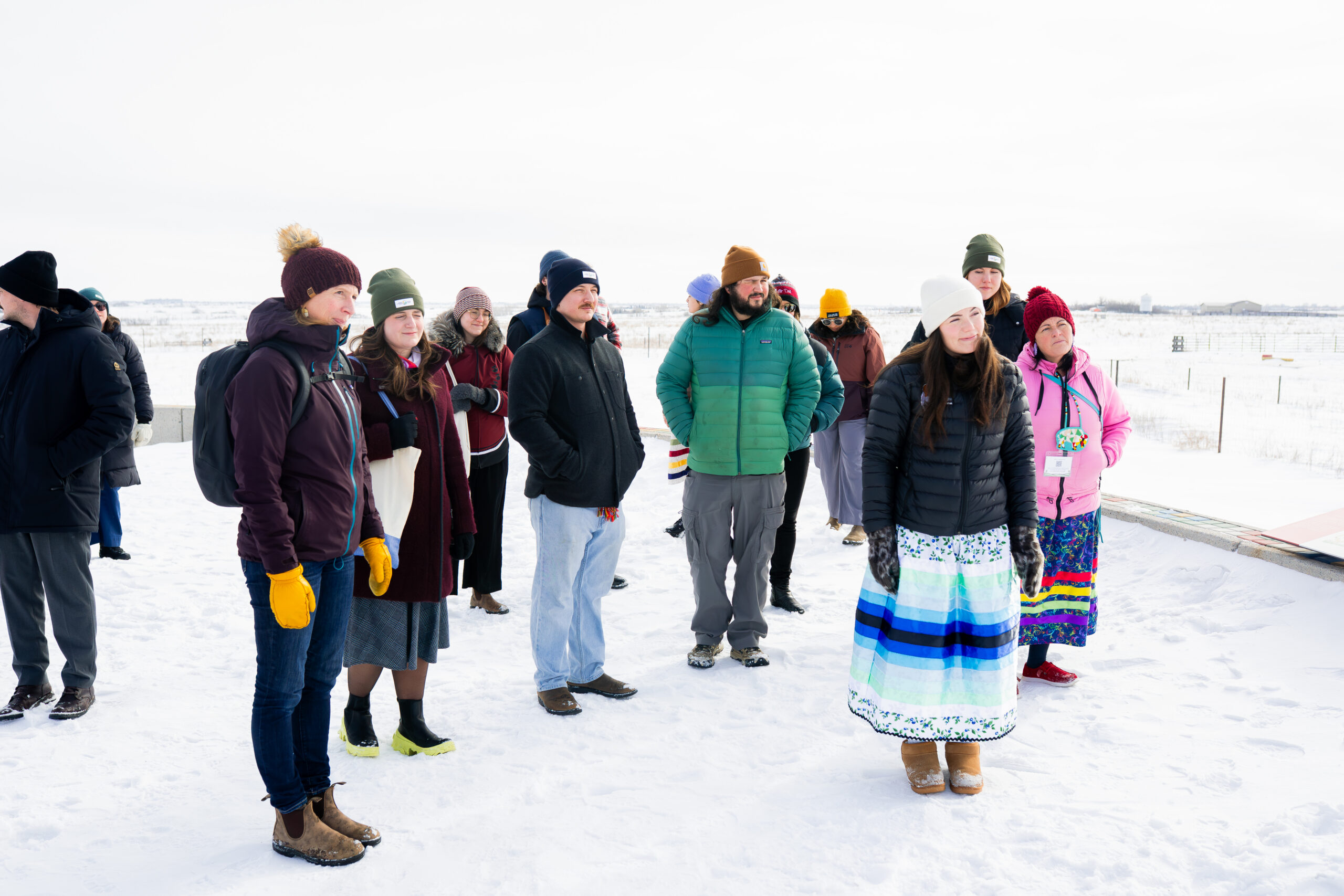
September 30 is Canada’s National Day for Truth and Reconciliation—a day to honour the children who never returned home from residential schools, Survivors, their families and communities, and the generations who continue to carry the impacts of colonial policies. It is also a day to reflect on the work that reconciliation requires of individuals, institutions and governments across Canada.
The truth of Canada’s history cannot be separated from the present. Residential schools, the Sixties Scoop, the ongoing separation of Indigenous children from their families, and the suppression of Indigenous languages, cultures and ways of knowing have had—and continue to have—profound impacts. These policies were part of broader systems of colonialism that sought to dispossess Indigenous Peoples of their lands, cultures, languages, governance systems and ways of life. For many Indigenous families and communities, these are not distant historical events. They are part of living memory and lived experience.
Reconciliation therefore asks more of us than remembrance. It asks us to build relationships based on respect, reciprocity, accountability and self-determination, and to consider how the systems we work within can change. The Truth and Reconciliation Commission’s 94 Calls to Action provide a roadmap for governments, institutions and Canadians to move from acknowledgement toward meaningful change.
For Braiding Knowledges Canada (BKC), this work is grounded in Reconciliation through Research. Canada is home to three distinct Indigenous Peoples: First Nations, Inuit and Métis—and within these are hundreds of distinct Nations, communities, languages, cultures, territories, laws and knowledge systems. Reconciliation through Research cannot mean treating Indigenous knowledge as a single perspective to be added to existing approaches to research and knowledge production. It requires examining those approaches themselves and creating space for Indigenous laws, knowledge systems, leadership and priorities to shape how research is conducted and how decisions are made.
BKC supports Indigenous-led and co-led research that brings Indigenous and Western knowledge systems into relationship through ethical and respectful approaches to knowledge braiding. This includes supporting communities and Knowledge Holders to define research priorities, shape methodologies, strengthen research capacity, and determine how knowledge is shared and applied.
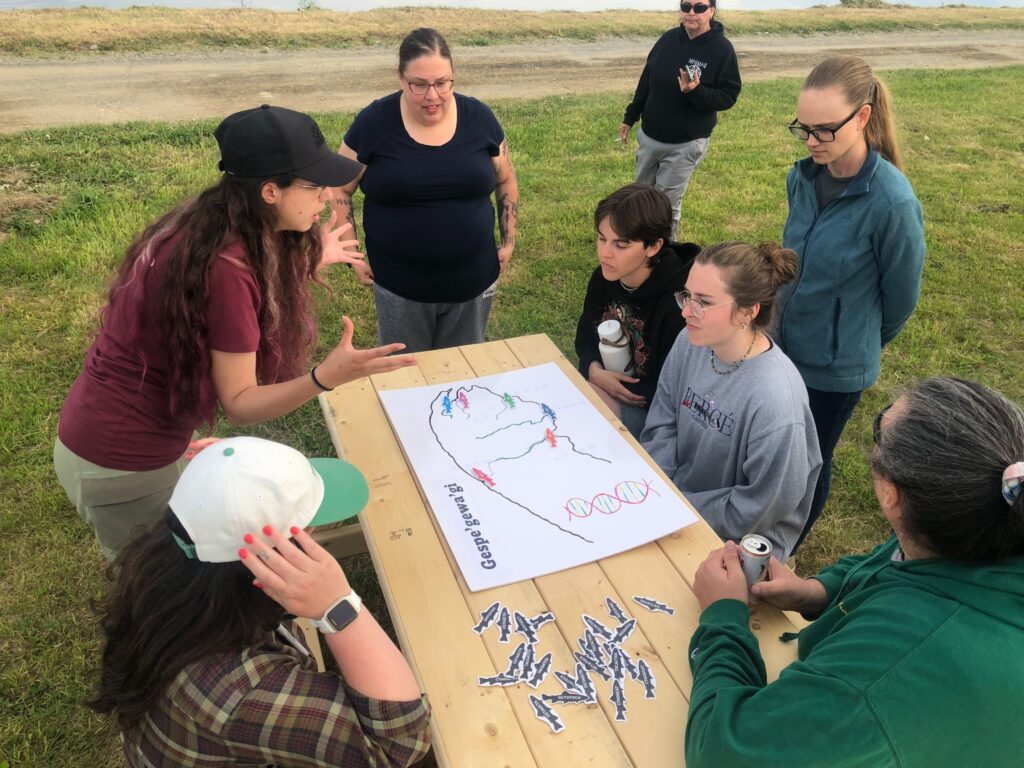
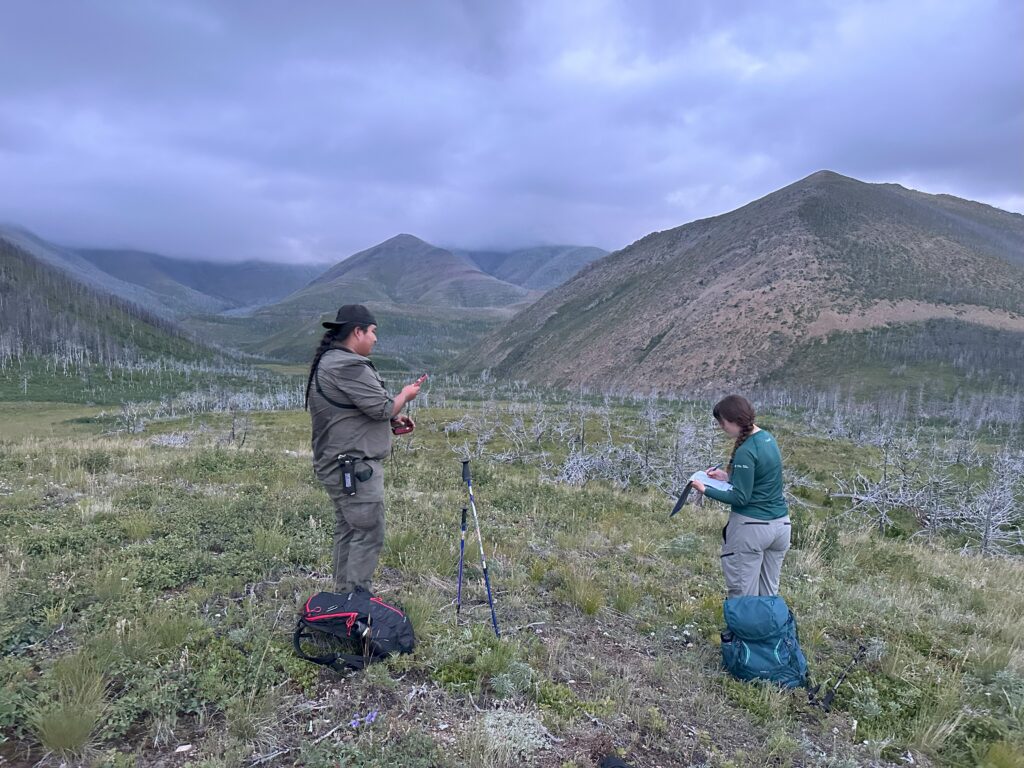
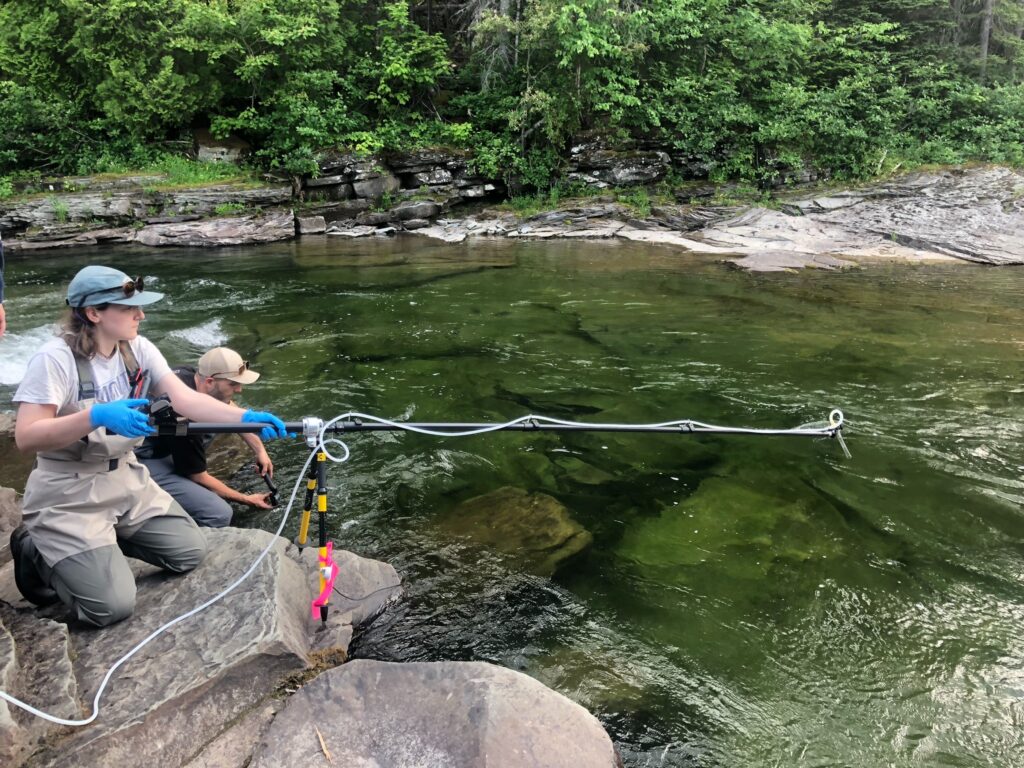
In 2025–26, BKC upported 44 initiatives across Canada, including three Distinctions-based Knowledge Hubs led by the Assembly of First Nations, Inuit Tapiriit Kanatami and the Métis National Council; 13 Place-based Knowledge Hubs; and 15 Land-based Learning initiatives. The photos above highlight some of the braided initiatives taking place on the land across Canada.
Across this work, reconciliation takes many forms: Cree knowledge and place names informing land-use planning; Indigenous-led approaches shaping fisheries and wildlife conservation; Indigenous research priorities informing environmental decision-making; and land-based learning initiatives creating opportunities for youth to learn language, culture, stewardship and land-based practices from Elders and Knowledge Holders.
These are not simply different ways of gathering information. They represent relationships with people, lands, waters, languages, cultures, and generations, and help ensure that knowledge and teachings can continue to be carried forward. They also demonstrate what it can look like when Indigenous leadership and self-determination are central to research and decision-making.
Reconciliation is ongoing work. It requires listening, learning, changing practices, building relationships and being accountable for what comes next.
At BKC, we are committed to supporting Indigenous leadership and self-determination, strengthening Indigenous research capacity, and creating spaces where knowledge systems can come together while respecting their distinct foundations and responsibilities. This work is ultimately about the generations ahead: ensuring that languages, teachings, relationships with land and waters, and Indigenous knowledge systems continue to thrive and be carried forward.
This September 30, we honour the truth, recognize the strength and resilience of Indigenous Peoples, and reflect on the relationships and responsibilities that must guide the work of reconciliation.