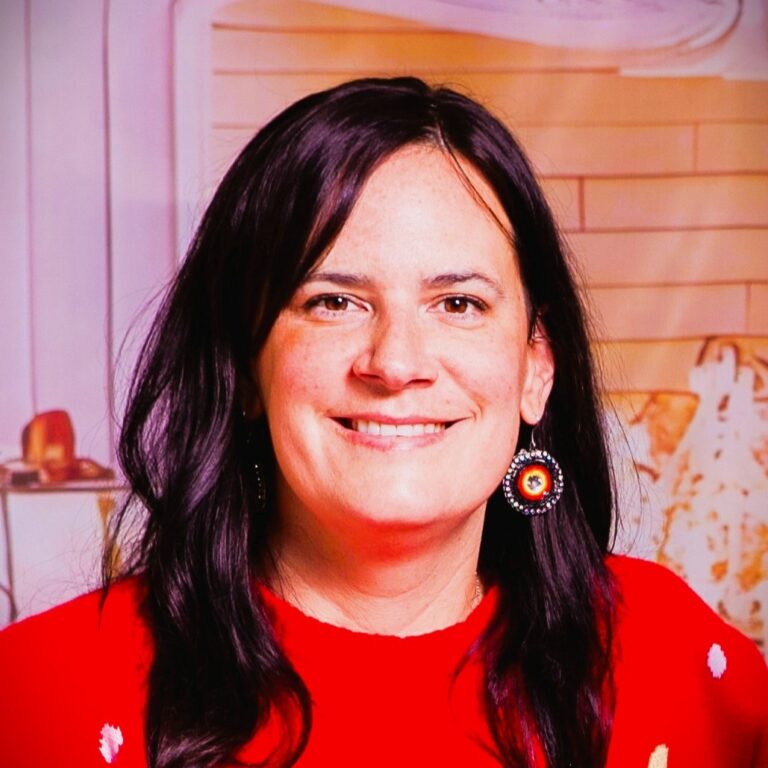
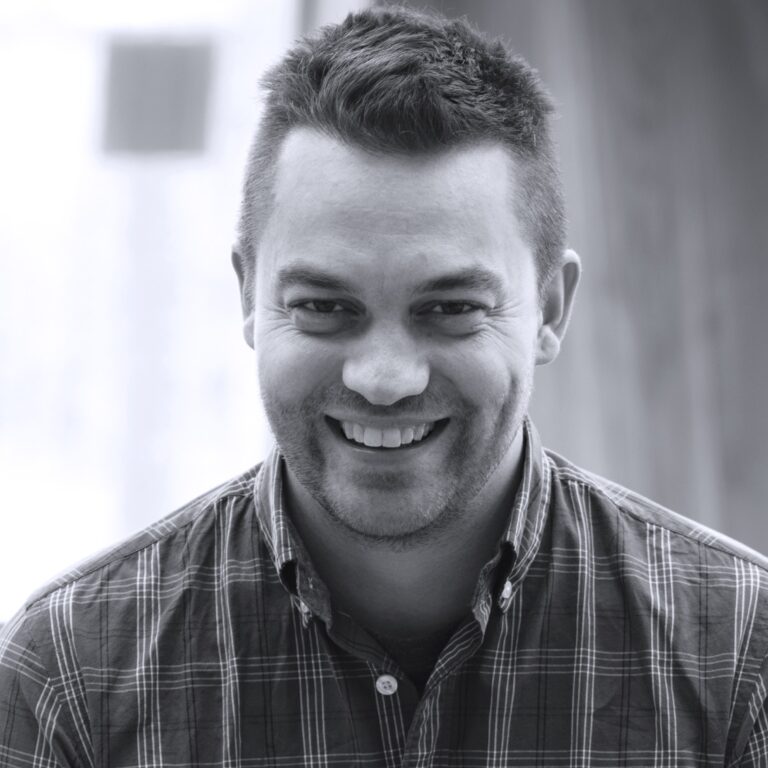
Dr. Monique Dubé is an executive leader and environmental scientist with over 25 years of experience in executive management, environmental science, research and education, multi-stakeholder negotiations and collaborations, environmental monitoring, policy and regulation, development of decision support systems, and strategic assessment of environment issues with specialization in cumulative environmental effects assessment. Her strength is in finding solutions to complex, high profile, nexus environmental issues utilizing her experience and strong relationships with governments, industry, academia, Indigenous communities and the private sector.
Dr. Dubé has published over 250 contributions and is a recognized expert in the field of cumulative effects assessment, environmental monitoring, and ecotoxicology. She has worked with municipalities, the energy sector, pulp and paper, base metal and uranium mining, agriculture and forestry. Her work has influenced policy and regulation, developed landmark agreements between industries, governments and Indigenous communities, ensured emergency preparedness and community protection, and resulted in development and commercialization of innovative technologies.

Murray Humphries is a Canadian wildlife ecologist based at McGill University in Montréal, Canada, whose research has successfully linked fundamental ecological research to the priorities and engagement of Indigenous communities in northern regions. Murray was born and raised in Brandon, Manitoba, has degrees from University of Manitoba (BSc, hons), University of Alberta (MSc) and McGill University (PhD), and was an NSERC Postdoctoral Fellow at University of Aberdeen, Scotland before returning to McGill to commence a faculty appointment in 2003. He is currently an Associate Professor of Wildlife Biology in the Department of Natural Resource Sciences at McGill University.
Since 2010, Prof. Humphries has served as academic director of McGill’s Centre for Indigenous Peoples’ Nutrition and Environment, an inter-disciplinary research centre dedicated to community-based research on food and the environment. Murray also holds the McGill Chair in Northern Research, funded by the Institut Nordique du Québec. In this role, Murray initiated and currently leads McGill North, a network of northern and circumpolar researchers at McGill, including professors, post doctorates, and graduate students from 9 faculties and more than 20 departments/units. The objective of McGill North is to promote, mobilize, and interdisciplinize northern, arctic, and circumpolar research at McGill, and to assist McGill researchers in northern community engagement and knowledge co-production. In 2017, Murray received an outstanding alumnus award from the University of Manitoba and was a member of the expert panel that generated the Council of Canadian Academies 2014 report on Aboriginal Food Security in Northern Canada. Murray co-led with Stan Boutin the Environmental Innovation NSERC-CREATE graduate training program based at McGill and the University of Alberta, which partnered with more than 75 non-government, government, industry, and Indigenous organizations to train 50 graduate students and postdocs for careers in wildlife conservation and environmental impact. Murray is currently serving as a returning co-chair of the Ecology and Evolution Review Panel for NSERC Discovery Grants, is a member of the synthesis team and serves on the board of directors for the NSERC Strategic Network ResNet, and sits on the Board of Directors for Wildlife Conservation Society Canada, a leading wildlife research and conservation NGO in Canada.
Murray’s career teaching contributions at McGill combine his love of teaching, passion for wildlife, and respect for people and livelihoods that depend on natural resources. Murray teaches under-graduate classes in organismal biology, natural history, and wildlife management. Most recently his teaching has expanded to a new Indigenous success pathway program, developed in partnership with Cree organization based in northern Quebec, to provide professional development training in fish and wildlife sciences for community officers.
Murray’s research focuses on environmental determinants of wildlife physiology, behaviour, and trophic interactions, as well as the contributions of wildlife conservation to the traditional food systems of Indigenous Peoples. This focus has led him to studies of the evolution of participatory methodologies in the natural sciences, the nature of community-university research partnerships, and documentation of the food knowledge and wildlife stewardship of northern Indigenous Peoples. As a scientist and researcher, Murray extends beyond academia by engaging Indigenous, government, and non-government organizations, in partnered research and graduate training that includes the knowledge and addresses the priorities of local people.

Sîpihkokîsikowiskwew nitisiyihkâson ekwa Nêhiyawiskwew nitohciyan Nipisihkopahk. My name is Blue Sky Woman, and I am a Four-Spirit Woman (She, Her, Hers) from Samson Cree Nation in Maskwacîs, Alberta. Currently, I am an Assistant Professor of Sociology and an Adjunct Professor in the Department of Environment and Civil Engineering at the University of Alberta.
I am an Indigenous scholar with over a decade of experience in developing insights and tools grounded in traditional law that help communities with consultation, community engagement, and Indigenous-settler relations. My areas of expertise are in traditional law and governance, Indigenous legal traditions, Indigenous-Settler relations, Consultation, and Community Engagement. Much of my research is directed towards Indigenous research methods and includes how Indigenous research should be conducted, how relationships with community and Nations should be maintained, and building the voices of Indigenous Elders and knowledge holders I have come to know. My hope is to build more resilient learning communities that are rooted in sharing truths, transparency, and humility. And though my work often lacks one clear path, I have faith that my culture and teachings will guide me.
In my culture, we believe in relationality and reciprocity and as Co-Research Director I will extend my sense of duty and care to mountain systems and the seven hubs already established.


Sandy joined the CMN now BKC in 2023 as the Strategic Advisor and is now in the role of Governance Manager. Sandy has over 25 years of experience managing complex projects in the environmental, energy, and service sectors, and extensive experience managing board and committee meetings for a large public organization. Her expertise spans program and project management, stakeholder engagement, facilitation, and change management, with a proven ability to lead multi-stakeholder initiatives and deliver measurable outcomes.
Sandy holds an MBA from the University of Alberta and a BA in Political Science from the University of Calgary, along with professional certifications in Project Management and Change Management. She is passionate about driving innovation, improving processes, and fostering collaboration to achieve organizational success.
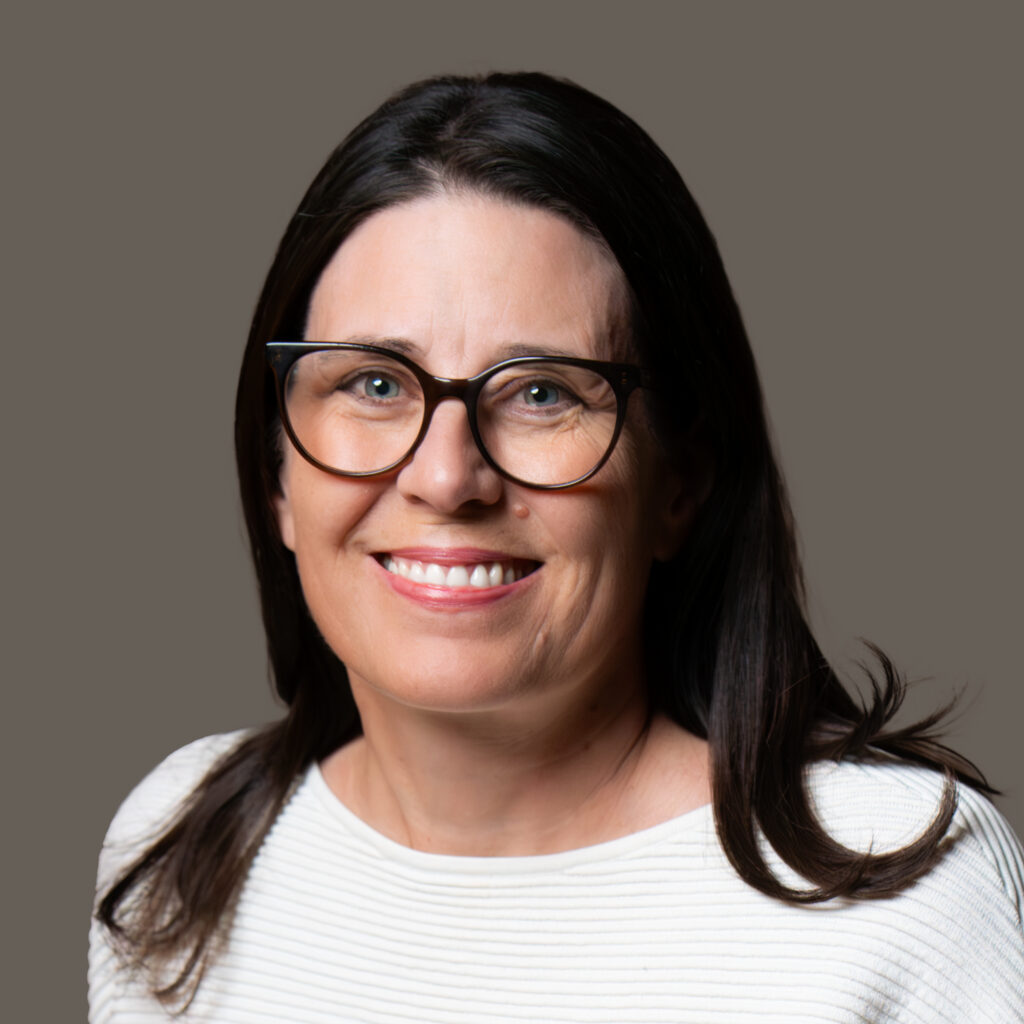
As a designated professional accountant and senior finance consultant, Jen brings a wealth of experience in finance and accounting, primarily in the not-for-profit and public sectors, to her role with BKC. Specific areas of expertise include: planning and budgeting, accounting operations and systems, financial reporting, as well as performance management, governance, and risk. Based in Canmore, Alberta, Jen previously served as Accounting Manager for the Banff Centre and as Executive Director of the Bow Valley Learning Council. Jen received her PhD in Engineering Science from Oxford University and is a strong supporter of mountain research.

Kirsten is a Montreal native but has lived and worked across Canada from Vancouver Island, BC to Machias Seal Island, NB. She joined CMN now BKC in September 2020 to support Murray Humphries, whom she met during her Bachelor’s degree in wildlife biology at McGill, in his position as co-research Director. Kirsten holds a Master’s of Science from the University of New Brunswick and has experience in ecological research as well as project management and nonprofit administration. She is motivated to acquire new skills, whether they be in the field, the lab, or at a desk. She is excited to learn from, and hopefully contribute to, the collective wealth of knowledge within the BKC.

Charity joined the Canadian Mountain Network now BKC in 2019 and is responsible for managing and accounting for the Network’s financial transactions. In this role, she collaborates with a wide range of stakeholders, including with the finance department of the Network’s host institution (the University of Alberta), funding partners, contractors/suppliers, with the Network’s bank and external auditors.
Charity holds an MBA (with specialization in Finance) from Vancouver Island University, a Masters of Science in International Business from the University of Hertfordshire (UK), and a Bachelor’s Degree in Accounting. She is a CPA Candidate and has 10+ years of progressive accounting and financial management experience.

Kimberley has been working with CMN now BKC since April of 2021 as the Events and Communications Coordinator.
Kimberley has her Bachelor of Commerce degree from MacEwan University, and has taken courses in Barcelona on communications and business relationships. She has experience working across different industries and identifying the path that best increases knowledge mobilization.
In addition to managing knowledge events and communications with the BKC, Kimberley is a certified fitness instructor!

Sarah’s family is of European settler ancestry with ancestors arriving to North America in the early 1600s, and she was raised on Treaty 6 Territory in amiskwacîwâskahikan (Edmonton). She grew up spending lots of time in the city’s river valley, forming a connection to animals and nature at a young age, and could often be found drawing pictures of wildlife in her spare time.
Presently, Sarah combines her lifelong interests in art and science into her career as a professional science communicator. She has over six years of experience helping experts, knowledge keepers, and science-based organizations communicate effectively so their work can have impact. She has worked with academic institutions, Indigenous communities, and non-profits across Canada and internationally to tell science-based stories that resonate and help organizations meet their knowledge mobilization goals. Most recently, she held a role as a Knowledge Exchange and Outreach Officer for the Canadian Forest Service, where she coordinated a diverse range of research mobilization activities and worked extensively with Elder-in-Residence Heather Poitras to support reconciliation and collaboration with Indigenous peoples.
Sarah holds a BSc in Animal Biology from the University of Alberta and an MSc in Biology from the Université du Québec à Montréal, specializing in wildlife conservation and population genetics.
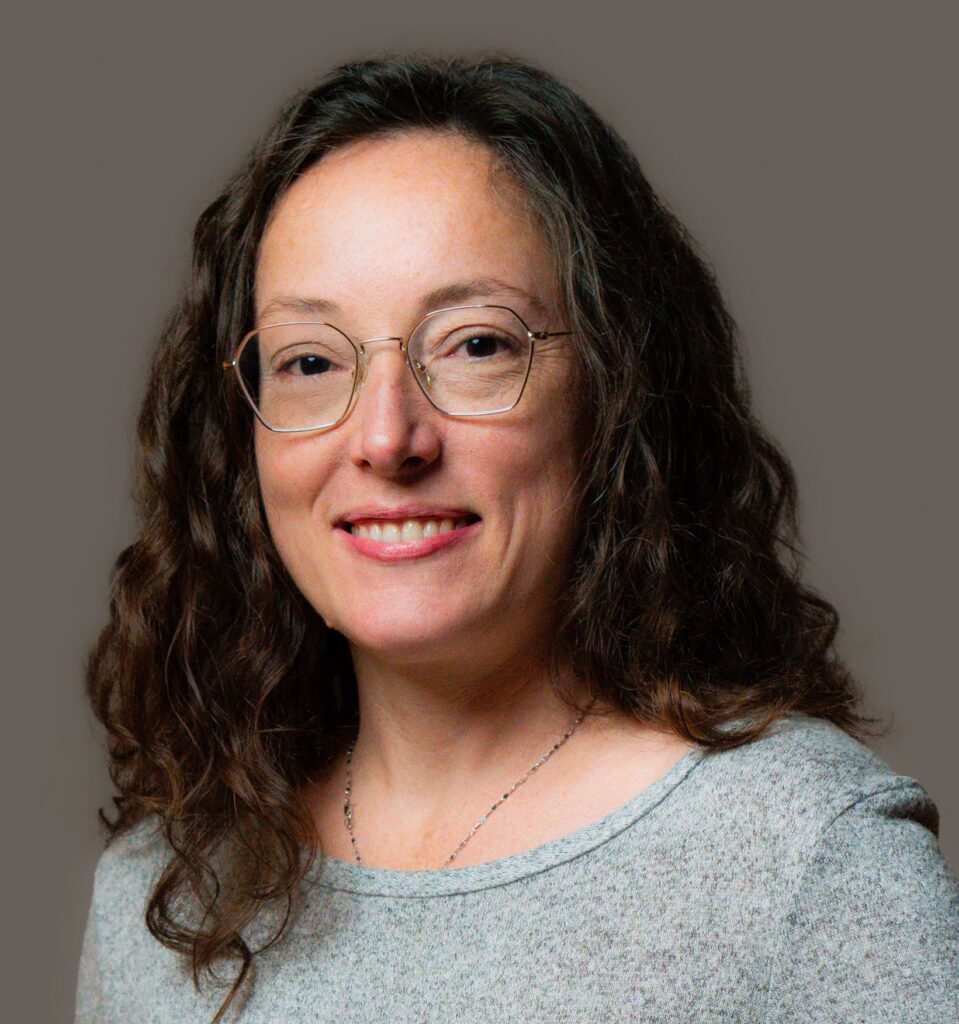
Annie has been working with the Canadian Mountain Network—now Braiding Knowledges Canada—since June 2019, leading content creation, science writing, and graphic design. As an independent contractor, she helps research networks, scientists, and initiatives effectively communicate science to diverse audiences, including fellow researchers, policy-makers, and the public.
With a multidisciplinary background in science and fine arts (BFA, BSc, MSc), Annie is a seasoned bilingual writer, communicator, and graphic designer. Previously, she served as Director of Communications in the health sector and led communications for a renewable energy research network.
Annie also offers freelance services in graphic design, illustration, web design, science writing, translation, and broader science communication.
Explore her portfolio at artsciencedesign.org
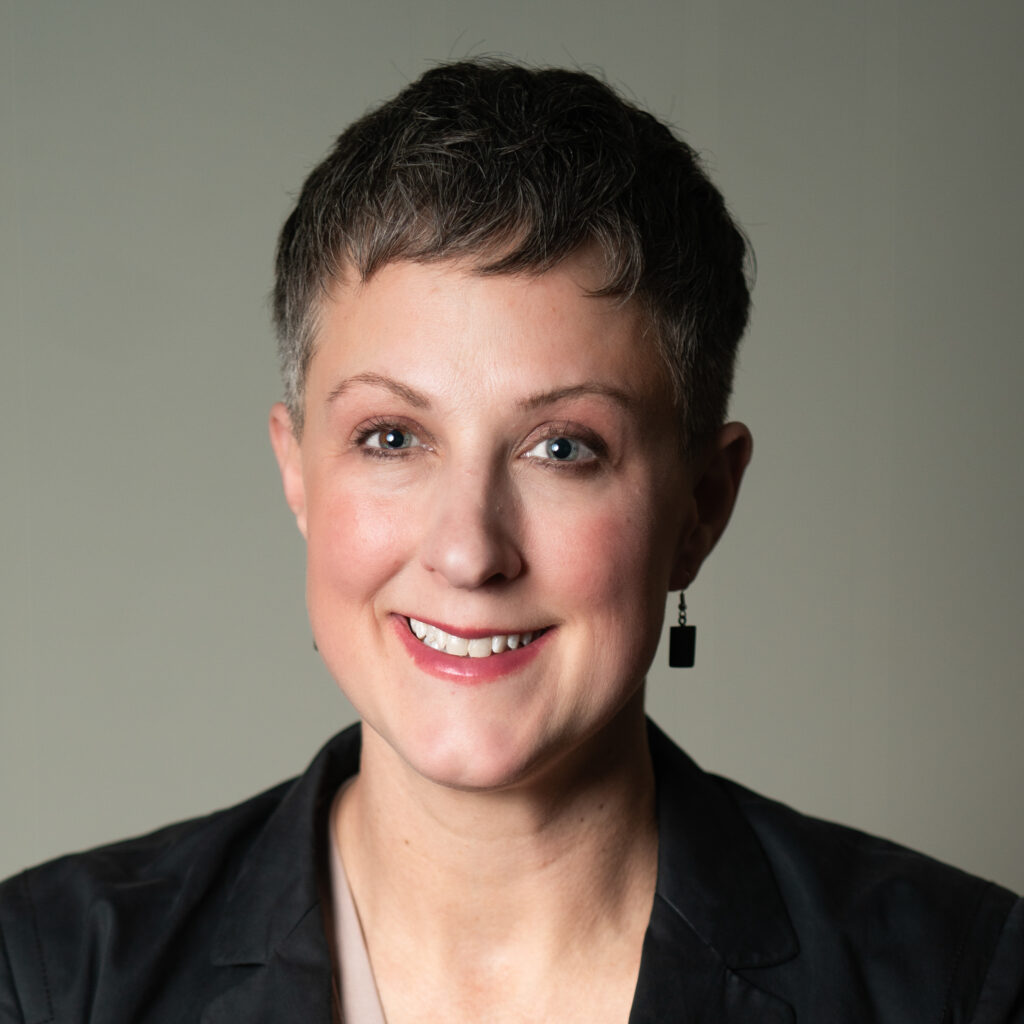
Kirsten Aubrey has worked with Braiding Knowledges Canada since 2024 as a media producer and communications specialist. Her work includes deeply understanding the core values, messages and principles that Braiding Knowledges Canada operates with, to create compelling communications materials tailored for diverse audiences.
Her background is rooted in the Fine Arts. She received a BFA with a major in critical and cultural practices from Emily Carr University and a diploma in music composition and technology from Selkirk College. She maintains a studio art practice in fine art photography and practices community building through her involvement in the arts and music in Calgary Alberta.
Kirsten owns and operates Carbon Life Media, a media production studio based in Calgary Alberta. Specializing in video, photo and animation production, CLM serves a diverse array of clients. Her work can be viewed at www.carbonlifemedia.com

Jade Roberts – educator and artist is a Woodland Cree woman from Lac La Ronge Indian Band in Northern Saskatchewan. She currently resides in Treaty 6 Territory in Saskatoon, SK. Roberts graduated with a Bachelor’s of Education from ITEP at the University of Saskatchewan in 2018 and went on to teach an elementary art and Cree culture program for 6 years. Jade is now a full-time artist working with a variety of mediums including digital illustration, painting, and land-based projects. Jade’s artwork often depicts colourful florals or animals and is influenced by her Cree culture and the land. Many of Jade’s pieces are connected to stories and language as a way of honouring and remembering the teachings that have been passed down. You can find more of Jade’s work at www.jadeleviroberts.com or on Instagram @jadelevi_

Prior to joining the Public Service through the Management Trainee Program at the Canadian Centre for Management Development in 1993, Michel was a teacher at West Island College and co-founder of Macdonald-Cartier Academy, a private French immersion high school. He’s enjoyed a career of challenging assignments as a Policy Analyst in the Privy Council Office, Intergovernmental Affairs; as Senior Advisor to Minister Anne McLellan in her capacity as Federal Interlocutor for Metis and Non-Status Indians; as Director of Aboriginal Research and Socio-Economic Development at Human Resources Development Canada; in his role of Departmental Senior Official of Values and Ethics under three Deputy Ministers; and, was the founding Senior Executive Director of the Knowledge Circle for Indigenous Inclusion and the Chair of the Federal Indigenous Executive Network during his last executive assignment upon retiring in September 2022.
In November 2011, following 12 years of service in various senior management positions with the Canada School of Public Service, Michel assumed the role of Senior Director of Executive Services and Talent Management at Natural Resources Canada, prior to joining Justice Canada in September 2014, as Director General of the Human Resources Branch.
Michel holds a Master in Education and a Bachelor of Arts with concentration in Mathematics from University of Ottawa, a Bachelor of Theology from Saint Paul University as well as a Diploma in Education from McGill University, and is a former member of the University of Saint Paul Ethics Committee and recipient of the 2004 Saint Paul University Alumnus of the Year Award for his accomplishments in advancing public service policy and leadership development programs grounded in Indigenous culture, co-development and reconciliation.

Lawrence Ignace is Anishinaabe from Lac Des Mille Lacs First Nation within Treaty 3 Northwestern Ontario. He holds a Masters in Public Administration with an emphasis on Natural Resources Policy from the University of Alaska Southeast. His relationship with mountains significantly strengthened over a decade ago when he moved to Whitehorse, Yukon. During this time, he has held positions with Crown-Indigenous Relations and Northern Affairs Canada, Carcross/Tagish First Nation, Arctic Institute of Community-Based Research and Yukon government. He has a passion for advancing the understanding and use of Indigenous Knowledge. As a PhD student at University of Victoria, his research focuses on the intersection of science and Indigenous knowledge and how we can learn from both worlds to shift our understanding. He is active on the Reference Group for the appropriate review of Indigenous research established by the three federal research funding agencies and Protect our Winters Science Alliance.

Alida Oegema-Thomas is a second-generation Dutch-Canadian living on the unceded territory of the Skwxwú7mesh Úxwumixw (Squamish Nation) in the Coast Mountains of BC. She currently works in First Nations led-and-directed health policy, has diverse experience in labour relations, international and community development, and community-based environmental and social research. She holds a Master of Public Policy and Global Affairs (MPPGA) from the University of British Columbia (UBC), with a research focus on climate justice, gender equity, and human rights in public policy. Alida is a runner, triathlete, and avid supporter of women’s sports.

Lynne Hately, CGA, CPA, and CFRE is Director of Development and Communications, Alberta Region with the Nature Conservancy of Canada, Canada’s leading national land conservation organization. She has worked with non profits for more than twenty years focused on the environment, international development and youth development, including in indigenous communities. Lynne has a MA in International Development Studies from Carleton University and a BA (Hons) in Psychology from the University of Western Ontario. She is also a professional fundraiser and holds the Certified Fund Raising Executive credential. Lynne lives in Canmore, Alberta, where she enjoys everything to do with mountains.
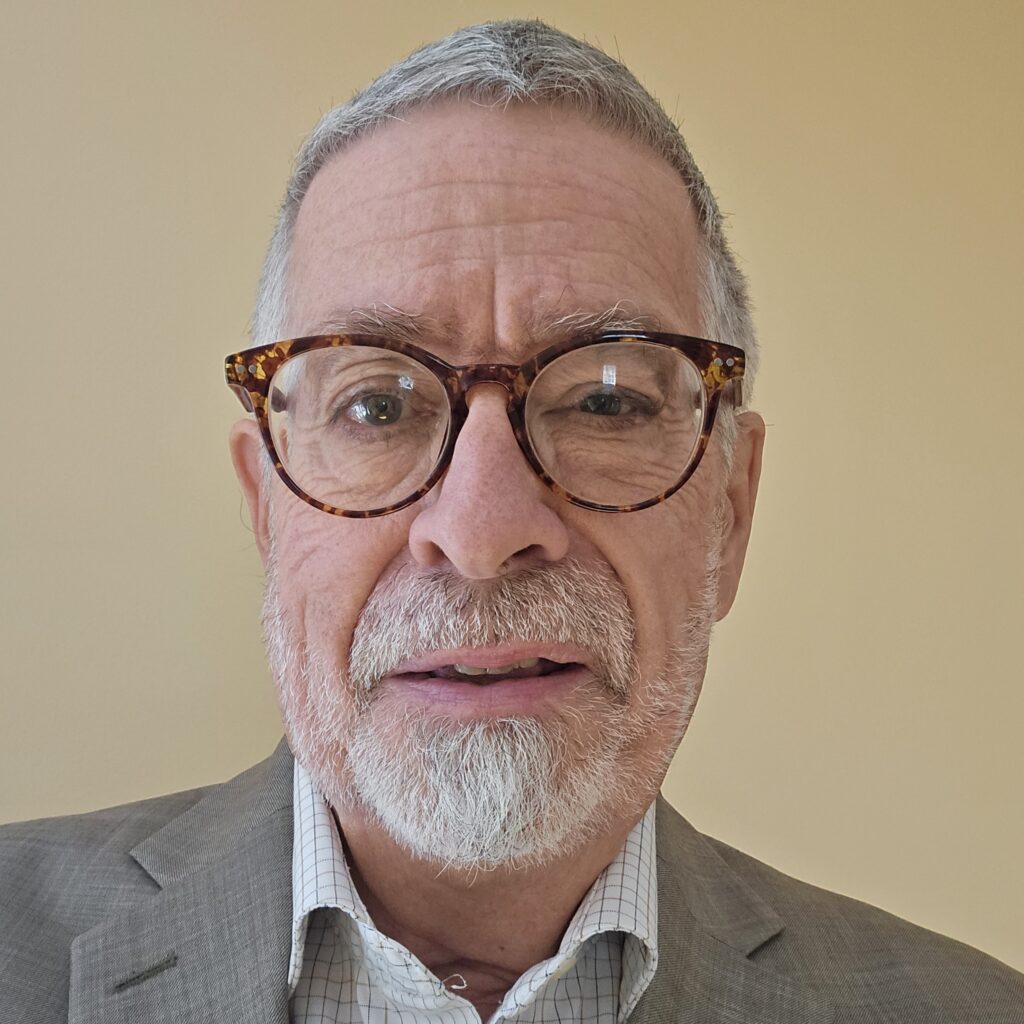
Bill Borland is an Environmental Professional and is the President of Borland & Associates Inc. in Rothesay, NB. He has held senior environmental management and government relations positions with Dillon Consulting, Associate; AMEC Environment and Infrastructure, Vice President, Canadian Federal Programs; J.D. Irving, Limited, Director Environmental Affairs and NB Power, Manager Environmental Planning. Bill Chaired the Board of the Canadian Water Network and sat on the Boards of the Canadian Rivers Institute, NB Research & Productivity Council and Enovex Inc. He was appointed to the National Roundtable on the Environment and the Economy (NRTEE) where he Co-Chaired the Boreal Forest Program and sat on the Expert Advisory Committee on Water. He is a member of the Standing Selection Committee (Chair) and the Monitoring Committee of the Networks of Centres of Excellence, as well as the Board of ECO Canada. He sits on several Selection Committees for NSERC and New Frontiers, and the Multidisciplinary Assessment Committee for the Canada Foundation for Innovation.

Erinn Drage is a conservation social scientist and environmental filmmaker who calls Treaty 7 Territory in Canmore, Alberta home. She is currently pursuing a PhD in Environmental Social Sciences at Stanford University. In her research, Erinn is exploring the political and economic dimensions of biodiversity conservation, with a focus on community-led stewardship and the role economic valuation in shaping conservation outcomes.Alongside her work in academia and conservation policy, she has guided expeditions in the Arctic and Antarctica and has written, edited, and directed award-winning documentary films. When not pursuing her intellectual passions, she can usually be found trail running, mountain biking, or backcountry skiing in the nearest mountain ranges.

Dr. Glanfield is currently Vice-Provost (Indigenous Programming and Research) and a Professor of Mathematics Education in the Department of Secondary Education. She is an Affiliated Faculty member with the Centre for Research for Teacher Education and Development at the University of Alberta. She earned her PhD in 2003 studying mathematics teacher understanding as an emergent phenomenon.
Dr. Glanfield worked at the University of Saskatchewan, College of Education (1999 – 2007) and began her tenure at the University of Alberta in July 2007.
Dr Glanfield is a citizen of the Métis Nation of Alberta, born and raised in Northeastern Alberta. Dr Glanfield’s research interests explore the experiences that individuals (teachers and learners) as well as collectives of learners / communities have with mathematics and learning mathematics. Dr Glanfield collaborates with colleagues and has engaged in research projects with Canadian Indigenous communities, urban Aboriginal youth, elementary & secondary mathematics teachers, and teachers and teacher educators in Tanzania and Rwanda.
Two of Dr Glanfield’s current research projects are with colleagues across Canada around the ways in which Indigenous and ‘Western’ knowledge systems interact in mathematics and science education.
As Chair of the Department of Secondary Education (2012 – 2019), Dr. Glanfield began exploring pathways for Indigenous languages speakers to become certified teachers in the province of Alberta.
Dr Glanfield’s career has included opportunities to work with students and teachers in all regions of Canada, in the US, in Tanzania and in Rwanda; teach high school mathematics; work with the Alberta Ministry of Education to develop provincial mathematics curriculum, participate in implementation of provincial curriculum, develop student assessment materials; and organize national and international fora.
Dr Glanfield’s been actively involved in, and has served in leadership roles with provincial (Mathematics Council of the Alberta Teachers’ Association), national (Canadian Mathematics Education Study Group), and international professional organizations (National Council of Teachers of Mathematics, TODOS: Mathematics for ALL, and the National Council of Supervisors of Mathematics).
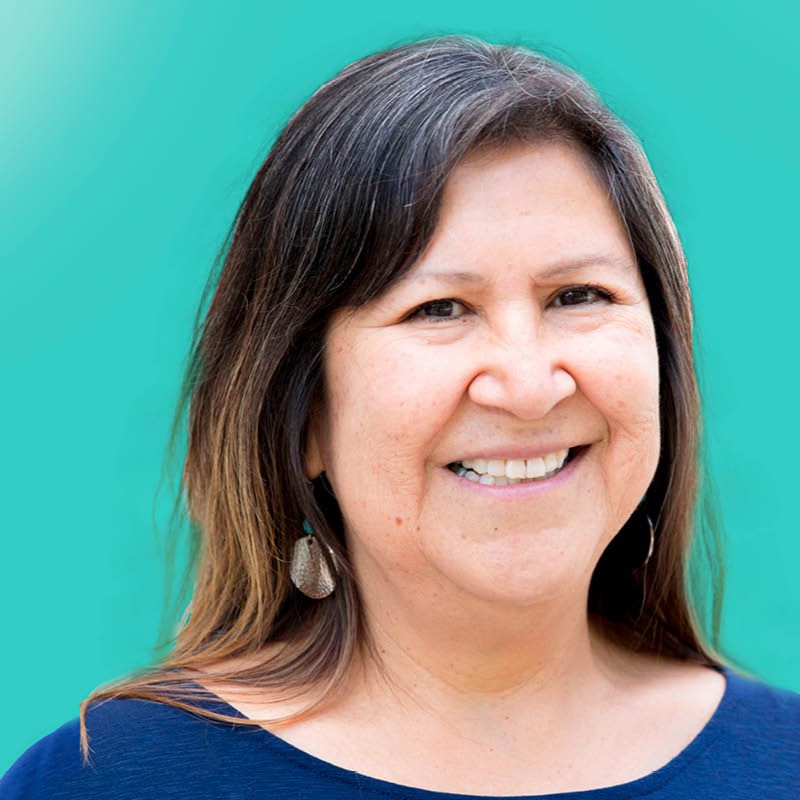
Dr. Myrle Ballard is a Canada Research Chair in Weaving Indigenous Science and Sustainability Science and Associate Professor in the Dept. of Earth, Energy, and Environment at the University of Calgary. She stood-up the new Indigenous Science Division at Environment and Climate Change Canada. Anishinaabe from Lake St. Martin First Nation, Dr. Ballard’s research explores Three-eyed seeing and how her fluency in Anishinaabe mowin can transform approaches to land and water resource management using Anishinaabe mowin baseline indicators. She has researched and documented the forced displacement and relocation of communities from flooding, as well as research on climate change and weather. She was recently selected as Lead Author on IPCC AR7 WG III Chapter 4 Sustainable Development and
Mitigation. She was also appointed as a Scoping expert for the second IPBES global assessment of biodiversity and ecosystem services; and Expert for the IPBES task force on Indigenous and local knowledge. She was inducted to the Royal Society of Canada in November 2025.
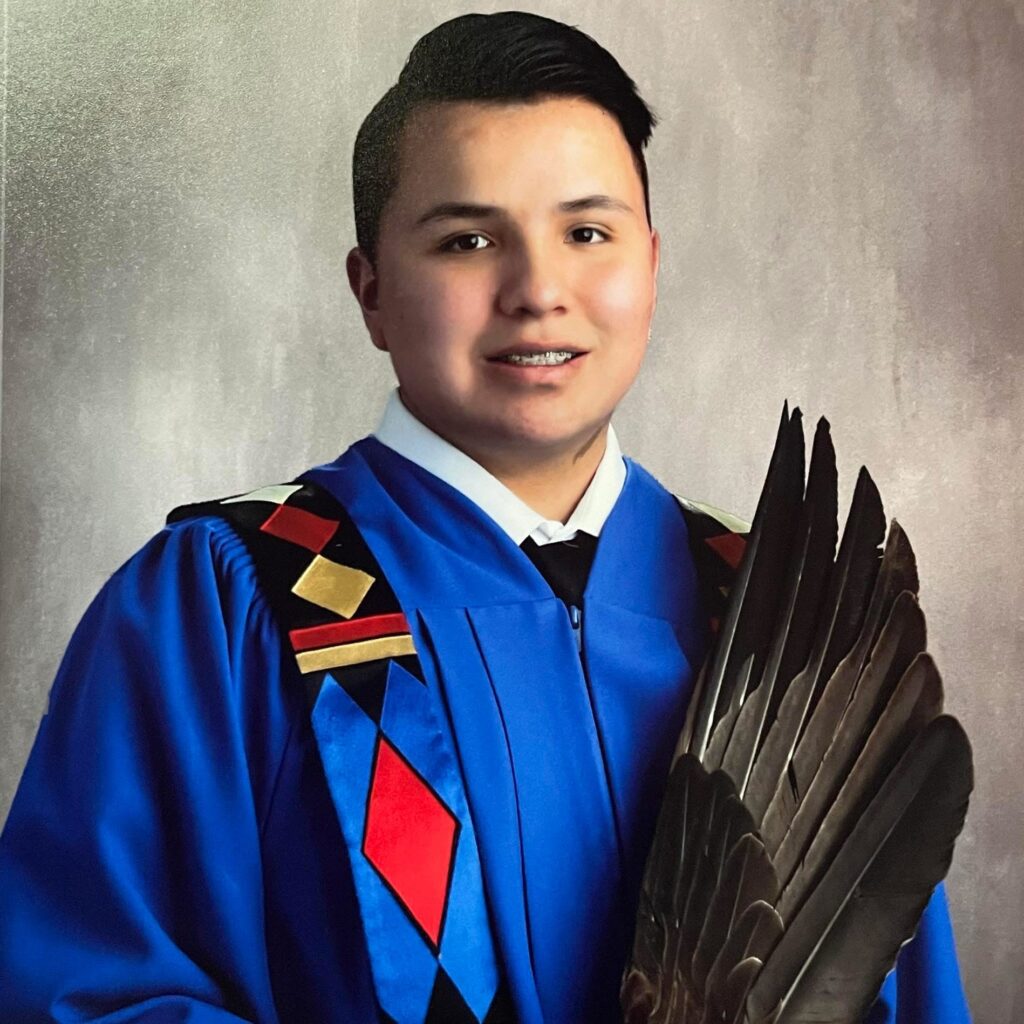
Talon Giroux is a 2025 Youth Leadership Recipient of the Okimâw Awards in partnership with the City of Edmonton and a dedicated community builder based in Edmonton, Alberta. He currently serves on the Board of Directors for the Dreamspeakers Film Festival Society, where he advocates for Indigenous representation and youth engagement in arts and culture.
With a background in administration, communications, and Indigenous-led organizations, Talon has built a strong foundation in governance, public relations, and community advocacy. His work reflects a deep commitment to uplifting Indigenous voices, strengthening relationships between generations, and creating meaningful change through collaboration and storytelling.

My name is Dr. Maurice Manyfingers, and I am a member of the Kainai First Nation (Blood Tribe) of the Blackfoot Confederacy of Treaty 7 or Siksikaitsitapi.
I am currently the Director of Indigenous Relations and Reconciliation with Bow Valley College in Calgary, Alberta.
Prior to joining Bow Valley College, I was President of Old Sun Community College on the Siksika Nation where I served a three-year term. I have also worked for the Piikani Board of Education, the Kainai Board of Education, and the Holy Spirit Roman Catholic School Division. During this time, I have worked as a classroom teacher, school principal, superintendent and college president.
In addition, I have worked for the Government of Alberta (Alberta Learning), where I was the Director of the Aboriginal Services Branch. I also worked for the Government of Canada (Indigenous Services Branch) as the Manager of Education in the Alberta Region.
I have two adult children (Darris and Demi) and one granddaughter (Vera) and another granddaughter on the way.
I look forward to serving on the Canadian Mountain Network now BKC’s Board in the months and years to come.

Dr. Emily Missyabit McAuley is a member of Lake Manitoba First Nation and was born and raised in Algonquin Anishinaabeg Territory in Ottawa. She received an M.Sc. in Biology (Behavioural Ecology & Evolution) from Carleton University in 2009 and a Ph.D. in Biological Sciences (Conservation Ecology) from Simon Fraser University in 2020. Her Ph.D. thesis examined the food web impacts of native fish introductions into naturally fishless river systems across the Western Cordillera and resulting migratory behavior and breeding distribution of harlequin ducks (Histrionicus histrionicus). Her research interests include food web interactions, species distribution modeling, geomatics, stable isotopes, citizen science, and Indigenous Science. Emily has nearly a decade of experience fostering federal-Indigenous research partnerships and supporting the braiding of knowledge systems.
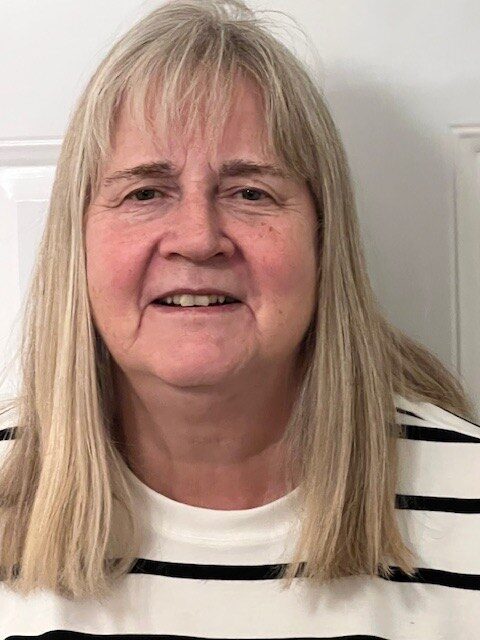
Shannon Flint served as Deputy Minister of Alberta Infrastructure. As Deputy Minister, Shannon led over 900 ministry staff responsible for the delivery of major capital projects totalling over $26.6 billion. Capital projects include learning, health, and government-owned facilities. Shannon was an active steward of developing and maintaining a citizen-centered public service by driving ministry outcomes and fostering cross-ministry collaboration. As a proponent of innovation, Shannon drove the ministry toward advanced systems thinking and proactive problem-solving in the development of strategic Infrastructure solutions.
Prior to her role as Deputy Minister at Alberta Infrastructure, Shannon served as Assistant Deputy Minister of Economic Development and Small and Medium Sized Enterprises at Economic Development and Trade. In this role, Shannon advanced strategies and initiatives to enhance support for industry and collaborated with communities and stakeholders to foster regional economic development. As head of the Division, she led the development of a $178 million program for investor and investment tax credits as well as a $20 million program for regional and community development.
Shannon transitioned to Economic Development and Trade from her preceding role as Assistant Deputy Minister of Policy and Planning at Environment and Parks, where she was accountable for strategic leadership in the development of planning and policy frameworks, strategic relationships, and programs focused on air, climate change, water, land, forestry, biodiversity, fish and wildlife. As Assistant Deputy Minister of Policy and Planning, Shannon led a division of over 300 people with a budget of $400 million.
Shannon holds a Bachelor of Management from the University of Lethbridge and an Administrative Management Diploma from the Northern Alberta Institute of Technology. She has filled progressively responsible roles throughout her 43 years with the Alberta government, and continues to foster relationship building, strategic collaboration, and innovation now and into the future.
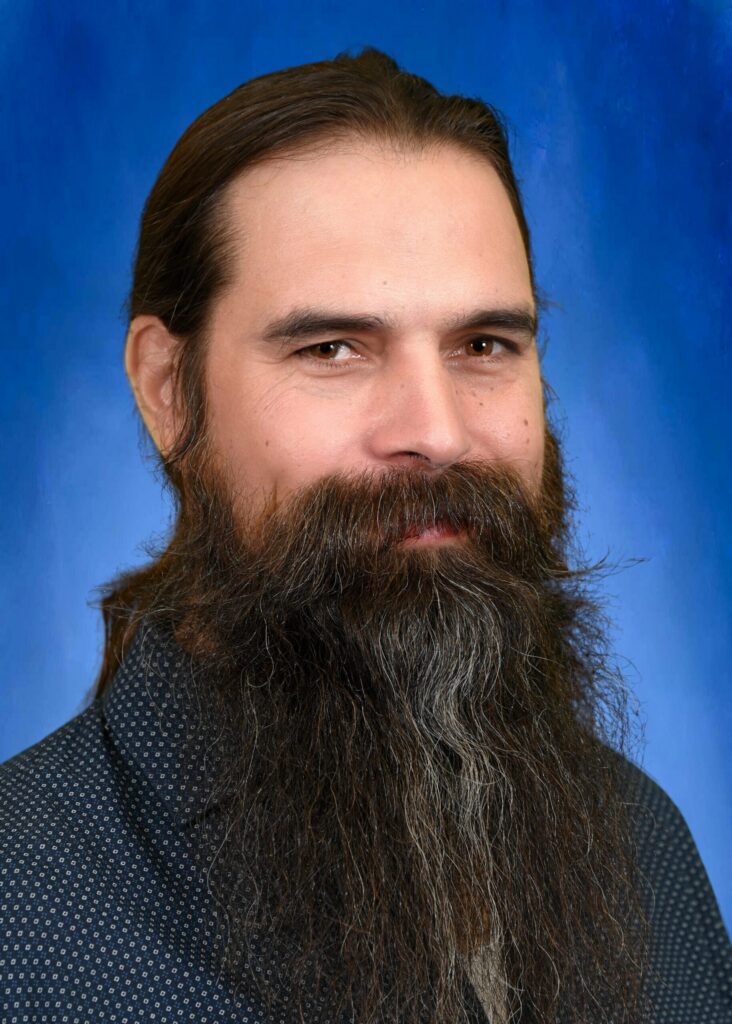
Jessus Karst is a citizen of Métis Nation Saskatchewan with maternal Métis family roots tied to the Qu’Appelle Valley and German/Irish roots on his paternal side. He is the Biodiversity Policy Advisor for the Métis National Council, which involves advocating nationally for the Métis Nation in work related to species, water, and food security. He also works internationally advocating for Indigenous Peoples rights in the U.N Convention on Biological Diversity, Ramsar, and the UN Water conferences. Jessus is a member of the Aboriginal Traditional Knowledge sub-committee of COSEWIC and sits on several other committees related to Species at Risk and invasive species in Canada.
His 20-year career in biology and conservation has included working for non-profit organizations, as well as federal and provincial governments. As a field biologist, he has been fortunate enough to study different parts of Nature: from water, fish, and invertebrates to plants and ecosystem studies, as well as birds, reptiles, small mammals and game species. Jessus is a proud father of two boys and proud uncle to his nieces and nephew. He lives and works in Regina, SK, in Treaty four and the Homeland of the Métis.

Dr. Mark Prystupa earned his Ph.D. in geography with research in Yukon and went on to be a university professor at Laurentian University in Sudbury. He left academia to take a position with the Government of the Northwest Territories in Yellowknife before joining the federal government in Ottawa. He worked with Suncor Energy in Calgary and now works for Vale Base Metals in Sudbury. All of this work has focussed on Indigenous peoples and resource management. Mark has been fortunate to have done this work throughout much of Canada.
Mark loves the mountains. He once camped in the Yukon mountains alone for a few months. Skiing, hiking, and being on the water are what he likes to do most. Mark also likes to play soccer. He has two children who live in New Brunswick and New Zealand.

Wendy is a Senior Consultant with Humanity Financial Management Inc., specializing in providing accounting and financial management advisory services to not-for-profit organizations and Indigenous communities. She brings over 10 years of accounting and audit experience in both public practice and not-for-profit sector, as well as her understanding of corporate governance. As a passionate volunteer, she had significant involvement in local charities and industry associations.
Wendy was designated as CPA, CGA in Canada in 2008, after completing her Master of Professional Accounting degree with CPA designation in Australia in 2005. She is also a Certified Fraud Examiner of the United States.
Living in Vancouver, Wendy enjoys hiking on a sunny day and reading on a raining day. Canadian mountains are Wendy’s favourite place for wonder and resilience.
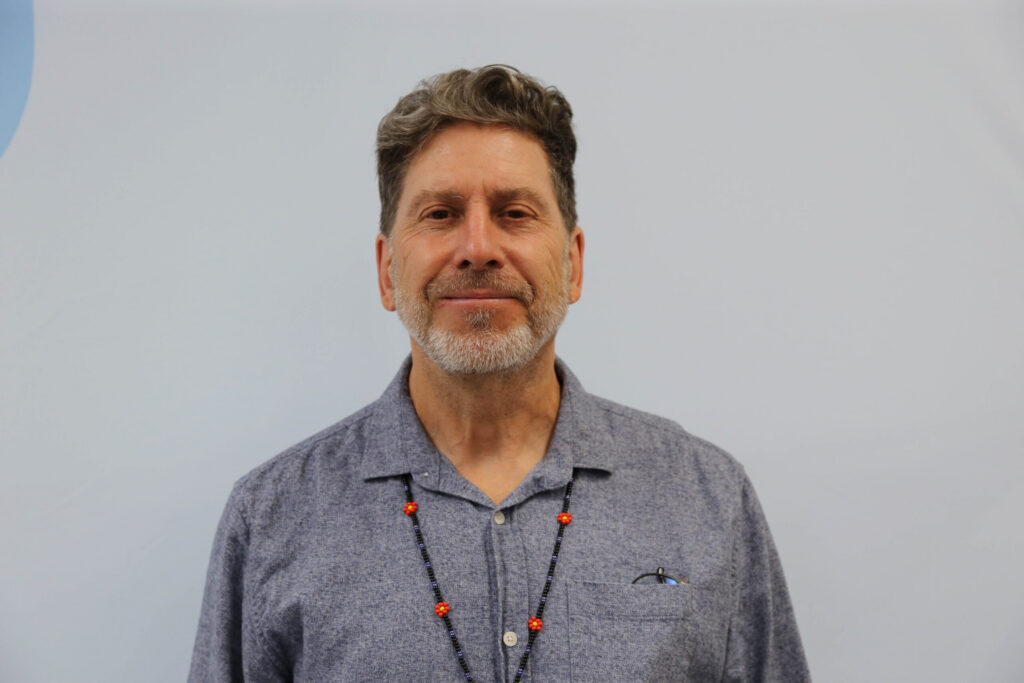
Chris joined Aurora College in 2024 as Vice President Research based in Yellowknife. Previous to that he worked in the Ontario College system as a Dean, Associate Dean and Chair. Chris has taught and developed curriculum (course and program development) at both colleges and universities. Chris has previously worked in the north for the territorial government, as a business owner (Deep Consulting Inc), executive assistant to the Chiefs of the Yellowknives Dene, manager of lands and environment for the Dene Nation, and as an advisor to the Arctic Athabaskan Council. Chris has numerous publications and he holds an interdisciplinary PhD from the University of Manitoba, Natural Resources Institute (2000). His oldest children both live and work in the Northwest Territories. In addition to his role on the Board of the Association of Canadian Universities for Northern Studies (Finance Committee), he is Vice President of the Yellowknife Ski Club, Director on Cross Country Northwest Territories and the Sport North Federation. Chris holds an interdisciplinary Phd from the University of Manitoba (2000), Masters from Carleton University (1995), and undergraduate degree from University of Winnipeg (1993).
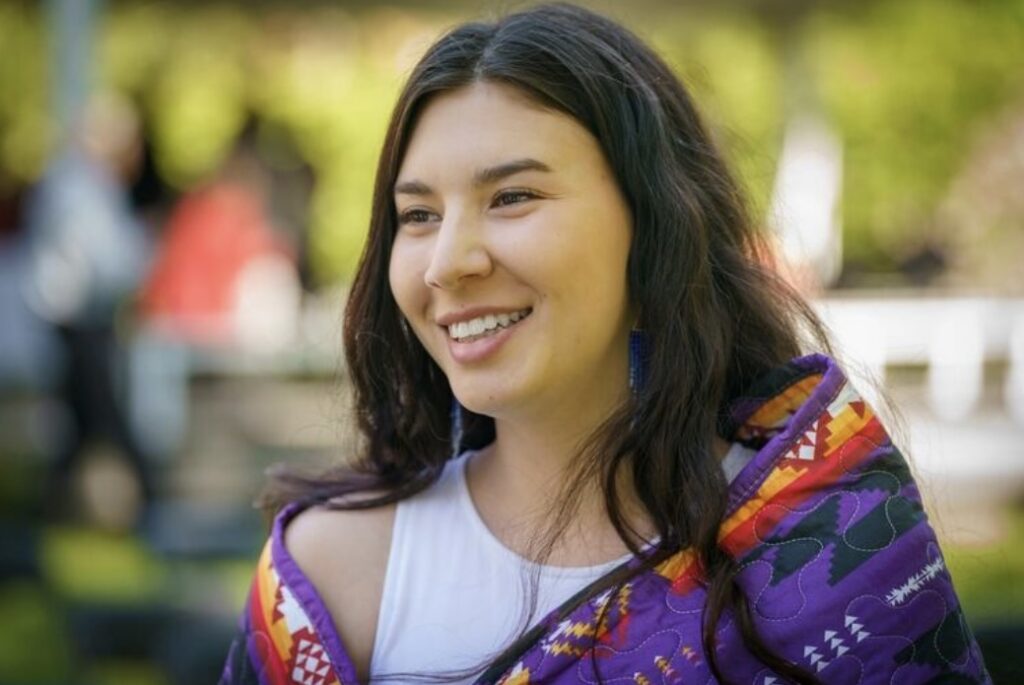
Megan is a PhD student in Family Medicine at McGill University, of Kanien’kehá:ka and European settler heritage, and is committed to amplifying Indigenous youth voices in research and decision-making. Her doctoral research in Nunavik explores how intergenerational dialogues can improve Nunavik youth house services. She has expertise in community-based and participatory research, youth engagement, and program evaluation.
Megan has contributed to various community health initiatives and youth empowerment programming. This includes co-creating content and evaluating a national youth generativity and reconciliation conference through her work at the Student’s Commission of Canada, as well as volunteering at the Kahnawake School of Diabetes Prevention Program.
Through her work, Megan is dedicated to promoting Indigenous led, culturally grounded pathways that enhance community well-being and self-determination.
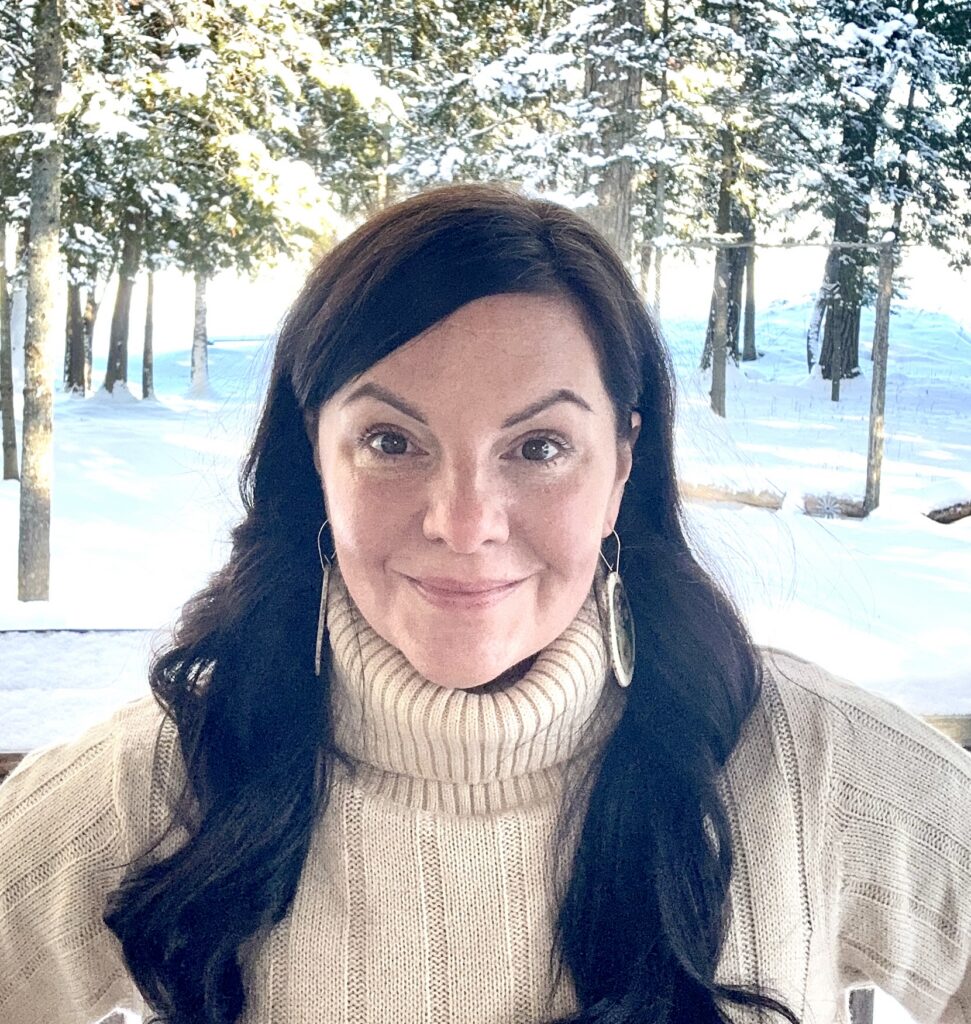
Kim Neale is a regenerative economies futurist, environmental engineer, and economist who braids Indigenous knowledge with 20 years of experience in nature-related finance product design, insurance, and environmental risk management. With ancestral roots that are mixed – settler (French/English) and Anishinaabe — her journey of re-connection with Anishinaabe cultural teachings and her own ancestral lineage has been shaped by her time living and in relationship with the knowledge-sharers, lands, and waters of Mnidoo Mnising (Manitoulin Island).
Kim is the founder of Manitoulin Climate Collaborative (Mc²), where she co-creatively works on a wide range of community-led nature-based solutions, supporting the development of Indigenous-led regenerative financing mechanisms and standards like capital methodologies, land trusts, and resilience/biocultural diversity/stewardship credits. Since 2020, she has also held several leadership roles at national not-for-profit organizations, co-designing the first Two-Eyed Seeing Natural Asset Inventory frameworks and supporting the launch of new funding programs for Indigenous Protected and Conserved Areas (IPCAs) and NbS knowledge hubs. In addition to serving on the Braiding Knowledges Canada (BKC) board, Kim is also a board member for the Escarpment Biosphere Conservancy (EBC) and has served as an advisor to the First Nations National Guardians Network (NGN) Indigenous-led Natural Climate Solutions (ILNCS) fund. As a regenerative economies’ futurist, her work is focused on advancing Indigenous-led regenerative economies, co-governance models, and decolonized evaluation frameworks that restore balance with Mother Earth.
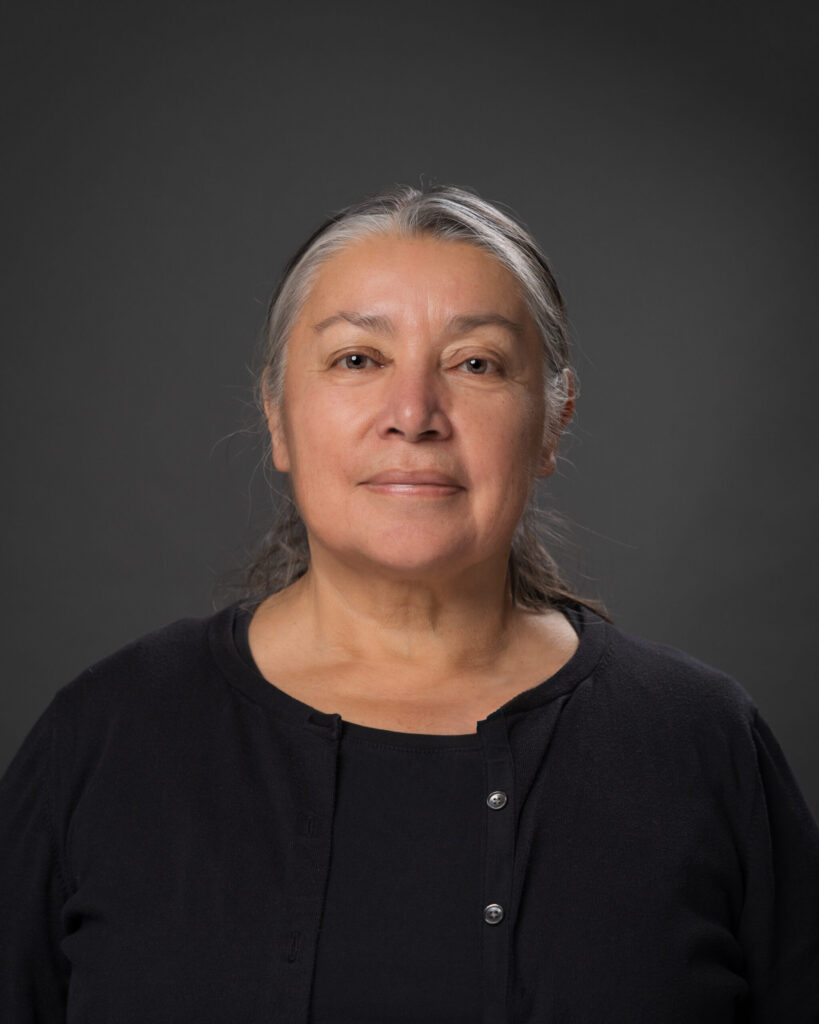
Vicki is an ecologist and a Kanien’kehá:ka (Mohawk) from Wahta First Nation, Ontario. She has degrees from the University of Guelph (BSc), York University (MES), and University of Alberta (PhD) and is currently the Knowledge and Research Manager, Lands and Resources, Mushkegowuk Council. Mushkegowuk Council represents and serves seven Cree Nations in northern Ontario. Vicki has been immersed in protected areas management, research, and monitoring her entire life. She applies her expertise to supporting Indigenous conservation of lands, waters, and ocean: currently in northern Ontario, and previously in the Northwest Territories, Nunavut, and coastal British Columbia. She began her career as a national park patrolperson (aka guardian), then in the 1990s she became the first woman Chief Park Warden (now called Resource Conservation Manager) in Canada at Ivvavik National Park located on the Beaufort Sea coast. She adopted the Arctic as her home from 1993 until 2021, living, working and travelling across the northernmost reaches of NWT and Nunavut. Exploring nature, especially wilderness areas, on foot, skis, snowmobile, boat, or kayak keeps her happy and healthy.
Alida Oegema-Thomas is a second-generation Dutch-Canadian living on the unceded territory of the Skwxwú7mesh Úxwumixw (Squamish Nation) in the Coast Mountains of BC. She currently works in First Nations led-and-directed health policy, has diverse experience in labour relations, international and community development, and community-based environmental and social research. She holds a Master of Public Policy and Global Affairs (MPPGA) from the University of British Columbia (UBC), with a research focus on climate justice, gender equity, and human rights in public policy. Alida is a runner, triathlete, and avid supporter of women’s sports.
Jessus Karst is a citizen of Métis Nation Saskatchewan with maternal Métis family roots tied to the Qu’Appelle Valley and German/Irish roots on his paternal side. He is the Biodiversity Policy Advisor for the Métis National Council, which involves advocating nationally for the Métis Nation in work related to species, water, and food security. He also works internationally advocating for Indigenous Peoples rights in the U.N Convention on Biological Diversity, Ramsar, and the UN Water conferences. Jessus is a member of the Aboriginal Traditional Knowledge sub-committee of COSEWIC and sits on several other committees related to Species at Risk and invasive species in Canada.
His 20-year career in biology and conservation has included working for non-profit organizations, as well as federal and provincial governments. As a field biologist, he has been fortunate enough to study different parts of Nature: from water, fish, and invertebrates to plants and ecosystem studies, as well as birds, reptiles, small mammals and game species. Jessus is a proud father of two boys and proud uncle to his nieces and nephew. He lives and works in Regina, SK, in Treaty four and the Homeland of the Métis.
My name is Dr. Maurice Manyfingers, and I am a member of the Kainai First Nation (Blood Tribe) of the Blackfoot Confederacy of Treaty 7 or Siksikaitsitapi.
I am currently the Director of Indigenous Relations and Reconciliation with Bow Valley College in Calgary, Alberta.
Prior to joining Bow Valley College, I was President of Old Sun Community College on the Siksika Nation where I served a three-year term. I have also worked for the Piikani Board of Education, the Kainai Board of Education, and the Holy Spirit Roman Catholic School Division. During this time, I have worked as a classroom teacher, school principal, superintendent and college president.
In addition, I have worked for the Government of Alberta (Alberta Learning), where I was the Director of the Aboriginal Services Branch. I also worked for the Government of Canada (Indigenous Services Branch) as the Manager of Education in the Alberta Region.
I have two adult children (Darris and Demi) and one granddaughter (Vera) and another granddaughter on the way.
I look forward to serving on the Canadian Mountain Network now BKC’s Board in the months and years to come.
Lynne Hately, CGA, CPA, and CFRE is Director of Development and Communications, Alberta Region with the Nature Conservancy of Canada, Canada’s leading national land conservation organization. She has worked with non profits for more than twenty years focused on the environment, international development and youth development, including in indigenous communities. Lynne has a MA in International Development Studies from Carleton University and a BA (Hons) in Psychology from the University of Western Ontario. She is also a professional fundraiser and holds the Certified Fund Raising Executive credential. Lynne lives in Canmore, Alberta, where she enjoys everything to do with mountains.
Shannon Flint served as Deputy Minister of Alberta Infrastructure. As Deputy Minister, Shannon led over 900 ministry staff responsible for the delivery of major capital projects totalling over $26.6 billion. Capital projects include learning, health, and government-owned facilities. Shannon was an active steward of developing and maintaining a citizen-centered public service by driving ministry outcomes and fostering cross-ministry collaboration. As a proponent of innovation, Shannon drove the ministry toward advanced systems thinking and proactive problem-solving in the development of strategic Infrastructure solutions.
Prior to her role as Deputy Minister at Alberta Infrastructure, Shannon served as Assistant Deputy Minister of Economic Development and Small and Medium Sized Enterprises at Economic Development and Trade. In this role, Shannon advanced strategies and initiatives to enhance support for industry and collaborated with communities and stakeholders to foster regional economic development. As head of the Division, she led the development of a $178 million program for investor and investment tax credits as well as a $20 million program for regional and community development.
Shannon transitioned to Economic Development and Trade from her preceding role as Assistant Deputy Minister of Policy and Planning at Environment and Parks, where she was accountable for strategic leadership in the development of planning and policy frameworks, strategic relationships, and programs focused on air, climate change, water, land, forestry, biodiversity, fish and wildlife. As Assistant Deputy Minister of Policy and Planning, Shannon led a division of over 300 people with a budget of $400 million.
Shannon holds a Bachelor of Management from the University of Lethbridge and an Administrative Management Diploma from the Northern Alberta Institute of Technology. She has filled progressively responsible roles throughout her 43 years with the Alberta government, and continues to foster relationship building, strategic collaboration, and innovation now and into the future.
Chris joined Aurora College in 2024 as Vice President Research based in Yellowknife. Previous to that he worked in the Ontario College system as a Dean, Associate Dean and Chair. Chris has taught and developed curriculum (course and program development) at both colleges and universities. Chris has previously worked in the north for the territorial government, as a business owner (Deep Consulting Inc), executive assistant to the Chiefs of the Yellowknives Dene, manager of lands and environment for the Dene Nation, and as an advisor to the Arctic Athabaskan Council. Chris has numerous publications and he holds an interdisciplinary PhD from the University of Manitoba, Natural Resources Institute (2000). His oldest children both live and work in the Northwest Territories. In addition to his role on the Board of the Association of Canadian Universities for Northern Studies (Finance Committee), he is Vice President of the Yellowknife Ski Club, Director on Cross Country Northwest Territories and the Sport North Federation. Chris holds an interdisciplinary Phd from the University of Manitoba (2000), Masters from Carleton University (1995), and undergraduate degree from University of Winnipeg (1993).
Dr. Mark Prystupa earned his Ph.D. in geography with research in Yukon and went on to be a university professor at Laurentian University in Sudbury. He left academia to take a position with the Government of the Northwest Territories in Yellowknife before joining the federal government in Ottawa. He worked with Suncor Energy in Calgary and now works for Vale Base Metals in Sudbury. All of this work has focussed on Indigenous peoples and resource management. Mark has been fortunate to have done this work throughout much of Canada.
Mark loves the mountains. He once camped in the Yukon mountains alone for a few months. Skiing, hiking, and being on the water are what he likes to do most. Mark also likes to play soccer. He has two children who live in New Brunswick and New Zealand.
Wendy is a Senior Consultant with Humanity Financial Management Inc., specializing in providing accounting and financial management advisory services to not-for-profit organizations and Indigenous communities. She brings over 10 years of accounting and audit experience in both public practice and not-for-profit sector, as well as her understanding of corporate governance. As a passionate volunteer, she had significant involvement in local charities and industry associations.
Wendy was designated as CPA, CGA in Canada in 2008, after completing her Master of Professional Accounting degree with CPA designation in Australia in 2005. She is also a Certified Fraud Examiner of the United States.
Living in Vancouver, Wendy enjoys hiking on a sunny day and reading on a raining day. Canadian mountains are Wendy’s favourite place for wonder and resilience.
Kim Neale is a regenerative economies futurist, environmental engineer, and economist who braids Indigenous knowledge with 20 years of experience in nature-related finance product design, insurance, and environmental risk management. With ancestral roots that are mixed – settler (French/English) and Anishinaabe — her journey of re-connection with Anishinaabe cultural teachings and her own ancestral lineage has been shaped by her time living and in relationship with the knowledge-sharers, lands, and waters of Mnidoo Mnising (Manitoulin Island).
Kim is the founder of Manitoulin Climate Collaborative (Mc²), where she co-creatively works on a wide range of community-led nature-based solutions, supporting the development of Indigenous-led regenerative financing mechanisms and standards like capital methodologies, land trusts, and resilience/biocultural diversity/stewardship credits. Since 2020, she has also held several leadership roles at national not-for-profit organizations, co-designing the first Two-Eyed Seeing Natural Asset Inventory frameworks and supporting the launch of new funding programs for Indigenous Protected and Conserved Areas (IPCAs) and NbS knowledge hubs. In addition to serving on the Braiding Knowledges Canada (BKC) board, Kim is also a board member for the Escarpment Biosphere Conservancy (EBC) and has served as an advisor to the First Nations National Guardians Network (NGN) Indigenous-led Natural Climate Solutions (ILNCS) fund. As a regenerative economies’ futurist, her work is focused on advancing Indigenous-led regenerative economies, co-governance models, and decolonized evaluation frameworks that restore balance with Mother Earth.
Erinn Drage is a conservation social scientist and environmental filmmaker who calls Treaty 7 Territory in Canmore, Alberta home. She is currently pursuing a PhD in Environmental Social Sciences at Stanford University. In her research, Erinn is exploring the political and economic dimensions of biodiversity conservation, with a focus on community-led stewardship and the role economic valuation in shaping conservation outcomes.Alongside her work in academia and conservation policy, she has guided expeditions in the Arctic and Antarctica and has written, edited, and directed award-winning documentary films. When not pursuing her intellectual passions, she can usually be found trail running, mountain biking, or backcountry skiing in the nearest mountain ranges.
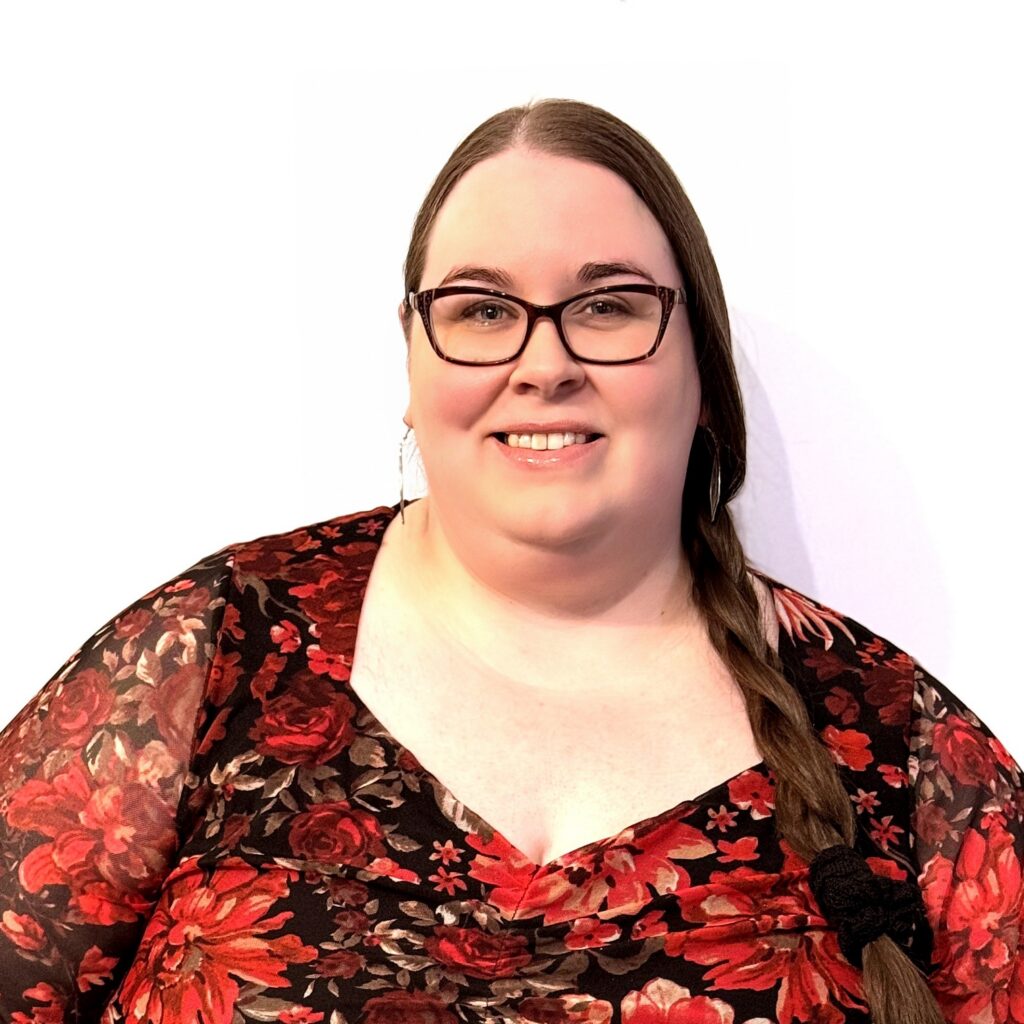
Sara Anderson (she/her) comes from a mixed background of German Mennonite and Indigenous heritage. As the daughter of a Sixties Scoop survivor, her ongoing learning and reconnection journey has shaped her commitment to Indigenous self-determination, ethical research practices, and the responsibilities of settlers and institutions within Indigenous–settler relations.
Sara holds a Master of Arts from the School of Indigenous and Canadian Studies at Carleton University, alongside a Graduate Certificate in Indigenous Policy and Administration from Carleton’s School of Public Policy and Administration. Her academic and professional work is grounded in Indigenous policy and research ethics, with a particular focus on how institutions can support Indigenous leadership, data sovereignty, and community-driven knowledge systems.
She brings over a decade of experience across the non-profit, academic, and Crown corporation sectors. From 2015 to 2020, Sara worked at KAIROS Canada, where she supported national Indigenous education initiatives, including the KAIROS Blanket Exercise, contributing to large-scale public and institutional learning on colonial history and reconciliation. From 2020 to 2025, she served as Senior Manager, Indigenous Research in the Office of the Vice-President, Research & International at the University of Waterloo, where she led the development of Indigenous research policies, protocols, and institutional frameworks grounded in relational accountability and Indigenous priorities.
Sara currently works as an Indigenous Relations Specialist at Farm Credit Canada, supporting national Indigenous engagement, research, and data initiatives related to agriculture, food systems, and economic reconciliation.
Sara is committed to Indigenous research practices that shift decision-making power to Indigenous Nations and organizations, operationalize data sovereignty and consent, and hold institutions accountable for ethical, community-driven research across the full research lifecycle.
Dr. Myrle Ballard is a Canada Research Chair in Weaving Indigenous Science and Sustainability Science and Associate Professor in the Dept. of Earth, Energy, and Environment at the University of Calgary. She stood-up the new Indigenous Science Division at Environment and Climate Change Canada. Anishinaabe from Lake St. Martin First Nation, Dr. Ballard’s research explores Three-eyed seeing and how her fluency in Anishinaabe mowin can transform approaches to land and water resource management using Anishinaabe mowin baseline indicators. She has researched and documented the forced displacement and relocation of communities from flooding, as well as research on climate change and weather. She was recently selected as Lead Author on IPCC AR7 WG III Chapter 4 Sustainable Development and
Mitigation. She was also appointed as a Scoping expert for the second IPBES global assessment of biodiversity and ecosystem services; and Expert for the IPBES task force on Indigenous and local knowledge. She was inducted to the Royal Society of Canada in November 2025.
Bill Borland is an Environmental Professional and is the President of Borland & Associates Inc. in Rothesay, NB. He has held senior environmental management and government relations positions with Dillon Consulting, Associate; AMEC Environment and Infrastructure, Vice President, Canadian Federal Programs; J.D. Irving, Limited, Director Environmental Affairs and NB Power, Manager Environmental Planning. Bill Chaired the Board of the Canadian Water Network and sat on the Boards of the Canadian Rivers Institute, NB Research & Productivity Council and Enovex Inc. He was appointed to the National Roundtable on the Environment and the Economy (NRTEE) where he Co-Chaired the Boreal Forest Program and sat on the Expert Advisory Committee on Water. He is a member of the Standing Selection Committee (Chair) and the Monitoring Committee of the Networks of Centres of Excellence, as well as the Board of ECO Canada. He sits on several Selection Committees for NSERC and New Frontiers, and the Multidisciplinary Assessment Committee for the Canada Foundation for Innovation.

Meagan Grabowski is a researcher, biologist, and instructor with lifelong knowledge of Yukon systems. Through her business she supports governments and communities in integrated and collaborative approaches to socio-ecological stewardship. Meagan has studied and worked throughout northern mountain regions, including southwest Yukon, Nunavut and interior BC. As a founding board member and 2016-17 Chair of APECS Canada, she enhanced the voice and priorities of northern residents. From 2015-2017, she was a Jane Glassco Northern Fellow creating recommendations for research licensing in the Yukon. Meagan holds a Master of Science in Zoology specializing in plant-herbivore interactions and boreal shrub dendroecology. Meagan is deeply committed to relationship building between the research community and the North, and continues to advocate for the role of northerners in all stages of research.

Gùdia – Mary Jane is a Lhu’ààn Mân Ku Dashaw – Elder who worked for Kluane First Nation and with Parks Canada over 50 years on protected areas, environment, cultural, and Indigenous language issues. She is a champion for Indigenous language revitalization while partaking in a community that actively lives their culture.
She has contributed to the: Truth and Reconciliation Commission Report Response Task Force addressing the TRC’s Call to Action #70 reporting to the Standing Committee on Canada’s Archives; Canadian Mountain Assessment: Walking Together to Enhance Understanding of Mountains in Canada; Lhu’ààn Mân Keyi Kwanje Nààtsat: Kluane Lake Country People Speak Strong; and, the Facets Article – Toward reconciliation: 10 Calls to Action to natural scientists working Canada on which the film Signal Fire is based.
She continues to contribute an objective perspective to several boards and committees and sits as an active committee member on:the Asi Keyi Natural Environment Park Management Plan Steering Committee; The Pickhandle Lakes Habitat Protection Area Steering Committee the Canadian Mountain Network: Research Management Committee (transitioning to Braiding Knowledges Canada – beginning April 1st, 2024); and, Kluane First Nation – Citizenship Committee.
She is retired! And is a happy and busy Grandmother of eleven Grandchildren and one Great Grandson.
Lawrence Ignace is Anishinaabe from Lac Des Mille Lacs First Nation within Treaty 3 Northwestern Ontario. He holds a Masters in Public Administration with an emphasis on Natural Resources Policy from the University of Alaska Southeast. His relationship with mountains significantly strengthened over a decade ago when he moved to Whitehorse, Yukon. During this time, he has held positions with Crown-Indigenous Relations and Northern Affairs Canada, Carcross/Tagish First Nation, Arctic Institute of Community-Based Research and Yukon government. He has a passion for advancing the understanding and use of Indigenous Knowledge. As a PhD student at University of Victoria, his research focuses on the intersection of science and Indigenous knowledge and how we can learn from both worlds to shift our understanding. He is active on the Reference Group for the appropriate review of Indigenous research established by the three federal research funding agencies and Protect our Winters Science Alliance.

Julia Klein is a Professor in the Department of Ecosystem Science & Sustainability and a Research Scientist at the Natural Resource Ecology Laboratory at Colorado State University, traditional homelands of the Ute, Arapahoe and Cheyenne nations. She received a B.A. in Political Science from Cornell University and an M.S. and PhD in Ecosystem Science from the University of California at Berkeley. Upon receiving her doctorate, she was awarded a NOAA Postdoctoral Climate and Global Change Fellowship. The broad goals of Dr. Klein’s research are to understand how interacting global changes affect pastoral and mountain ecosystems and livelihoods; to detect the patterns and underlying mechanisms driving these responses and feedback; and to identify actions and pathways towards sustainable futures. Her projects typically combine diverse methods, including experimental manipulations, landscape analysis, local ecological knowledge and modelling. The main geographic focus of her research has been the eastern and central alpine grasslands of the Tibetan Plateau; however, she also works on the shortgrass steppe and alpine region of Colorado and conducts global syntheses of grassland, arctic/alpine and mountain systems worldwide.
Dr. Klein leads the U.S.-based Mountain Sentinels Collaborative Network, an international network which seeks to catalyze innovative solutions and actions towards global mountain sustainability through equitable collaboration, Western science, indigenous ways of knowing, and actions with diverse mountain stakeholders. She is also working on a documentary film focused on a small and dedicated group of people in the Peruvian Andes grappling with the severe and imminent effects of climate change.

Marlin Legare is a Métis graduate student and a research project coordinator who aids in the development and production of Indigenous research projects from the College of Medicine at the University of Saskatchewan (U of S). He is currently pursuing a Master of Science in the field of Nutrition at the U of S, as well. Finally, Marlin is a U of S member of the Indigenous Initiatives Committee as a representative of the College of Pharmacy and Nutrition.
Marlin was raised in the Northeastern Saskatchewan in a rural community called Mistatim. He is excited to be studying health sciences, as he is someone who has seen firsthand the positive and the negative of health outcomes for Indigenous individuals in rural and remote communities.
Marlin is also an accomplished Métis athlete. In 2008, Marlin attended the North American Indigenous Games, and the Canada Games in 2009 for wrestling. In 2009 he also received the SaskTel Indigenous Youth of Excellence Award in the Sports and Recreation Category. He was also a member of the University of Regina (U of R) Men’s Wrestling Team, where he obtained his Bachelor of Science in Kinesiology. While at the U of R, he was also involved in Indigenous programs such as Sports For Life, Aboriginal History Month, and the 2014 North American Indigenous Games.
Dr. Emily Missyabit McAuley is a member of Lake Manitoba First Nation and was born and raised in Algonquin Anishinaabeg Territory in Ottawa. She received an M.Sc. in Biology (Behavioural Ecology & Evolution) from Carleton University in 2009 and a Ph.D. in Biological Sciences (Conservation Ecology) from Simon Fraser University in 2020. Her Ph.D. thesis examined the food web impacts of native fish introductions into naturally fishless river systems across the Western Cordillera and resulting migratory behavior and breeding distribution of harlequin ducks (Histrionicus histrionicus). Her research interests include food web interactions, species distribution modeling, geomatics, stable isotopes, citizen science, and Indigenous Science. Emily has nearly a decade of experience fostering federal-Indigenous research partnerships and supporting the braiding of knowledge systems.
Vicki is an ecologist and a Kanien’kehá:ka (Mohawk) from Wahta First Nation, Ontario. She has degrees from the University of Guelph (BSc), York University (MES), and University of Alberta (PhD) and is currently the Knowledge and Research Manager, Lands and Resources, Mushkegowuk Council. Mushkegowuk Council represents and serves seven Cree Nations in northern Ontario. Vicki has been immersed in protected areas management, research, and monitoring her entire life. She applies her expertise to supporting Indigenous conservation of lands, waters, and ocean: currently in northern Ontario, and previously in the Northwest Territories, Nunavut, and coastal British Columbia. She began her career as a national park patrolperson (aka guardian), then in the 1990s she became the first woman Chief Park Warden (now called Resource Conservation Manager) in Canada at Ivvavik National Park located on the Beaufort Sea coast. She adopted the Arctic as her home from 1993 until 2021, living, working and travelling across the northernmost reaches of NWT and Nunavut. Exploring nature, especially wilderness areas, on foot, skis, snowmobile, boat, or kayak keeps her happy and healthy.
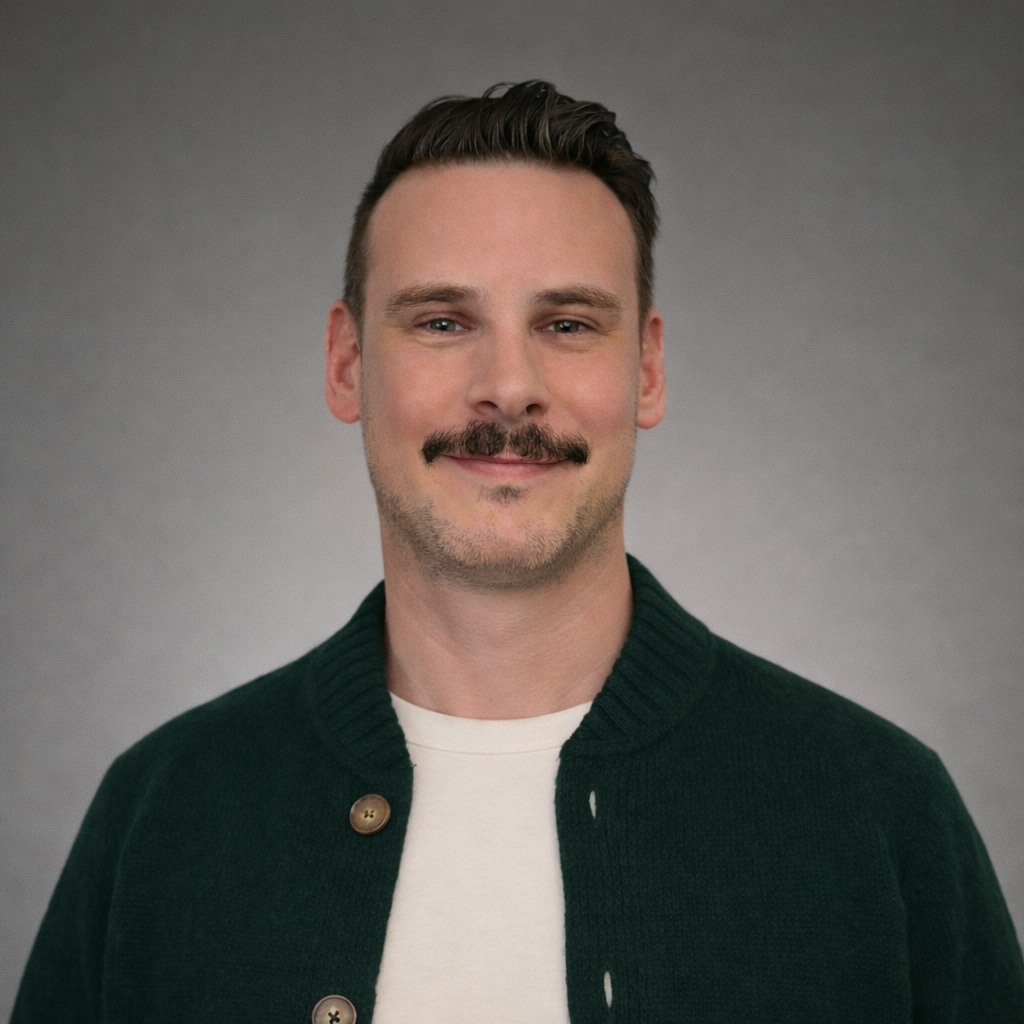
Shaun Stevenson is a faculty member in the University Studies program at Northern Lakes College in Treaty 8 territory, northern Alberta and an Adjunct Research Professor in the School of Canadian Studies at Carleton University. He grew up in southern Ontario and currently resides in Ottawa. Shaun received his PhD from the Department of English Language and Literature at Carleton University and his MA in Cultural Studies and Critical Theory and BA (Hons) in English and Indigenous Studies, from McMaster University. Shaun is a settler scholar whose research focuses on Indigenous land and water rights, law and policy, and settler/Indigenous relations. He previously worked as a Senior Policy Analyst in the Treaties and Aboriginal Government sector for the government of Canada and as a Project Director on a community-based research project with the Tahltan First Nation and the National Core for Neuroethics at UBC Hospital. Shaun has published on the ethics of community-based research, Indigenous water rights, literatures and reconciliation in Qualitative Inquiry, Decolonization, Settler Colonial Studies, Canadian Literature and Theory & Event, among others. In his spare time, he volunteers for Belong Ottawa, a community outreach organization in downtown Ottawa, plays tennis and spends as much time with dogs as he can.
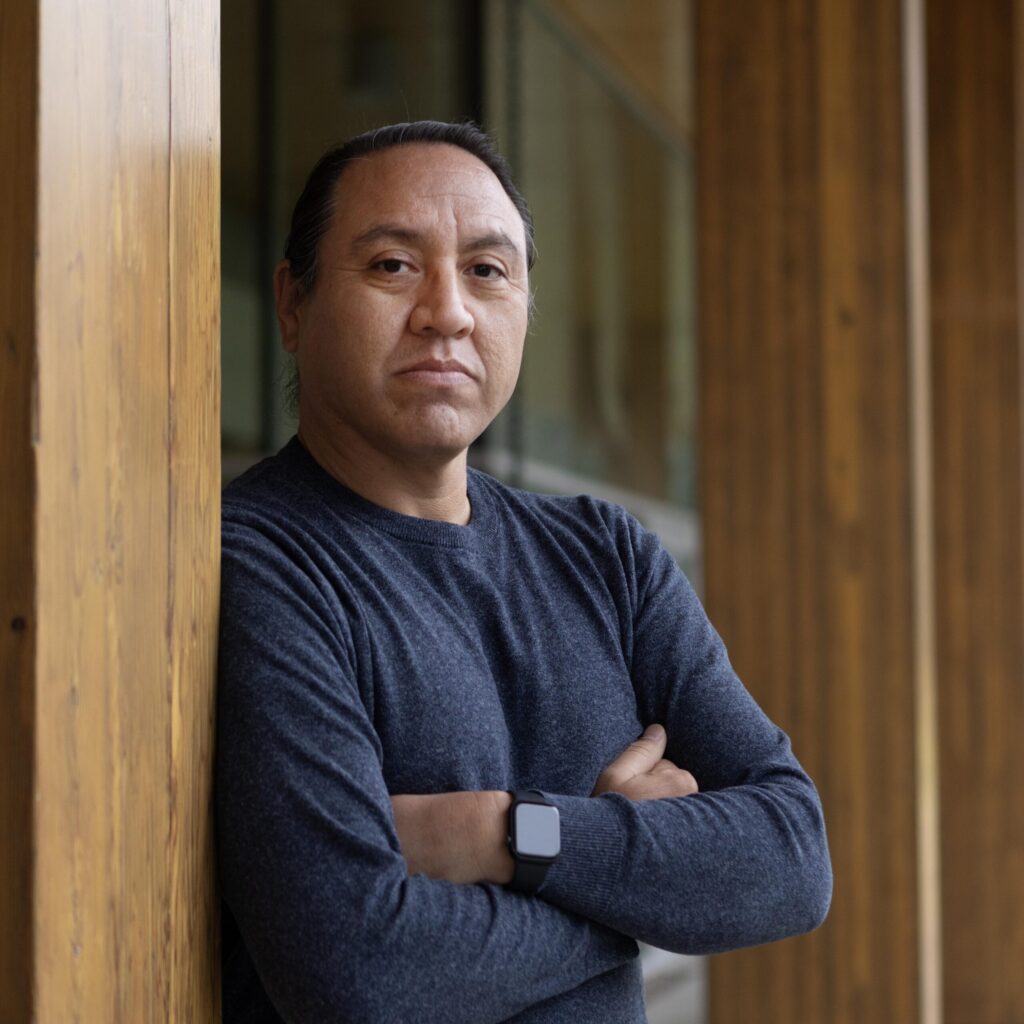
Dr. Shandin Pete (Salish/Diné) is from the Flathead Indian Reservation in Arlee, Montana, USA. He completed a M.S. in Geology and an Ed.D. in Curriculum and Instruction focusing on science education at the University of Montana. He is a geoscientific ethnographer, hydrogeologist and science educator with interest in Indigenous research methodologies, Indigenous astronomy, social-political tribal structures, culturally congruent instructional strategies, and Indigenous science philosophies. Most of his work in recent years has focused on understanding shifts in an Indigenous paradigm of research for science knowledge production. This work includes collaboration with tribal knowledge holders across Indigenous communities and academic scholars to examine traditions, customs, oral histories and knowledge systems and their intersection with geoscience. From 2008 to 2020, he served as faculty at Salish Kootenai College where he co-developed their Hydrology program and founded the Indigenous Research Center on its campus. He is currently serving as an assistant professor of teaching at the University of British Columbia in the Earth, Ocean and Atmospheric Sciences Department where he continues to advance understandings of Indigenous research methodologies from Salish philosophical commitments with an emphasis on environmental and geoscience disciplines.
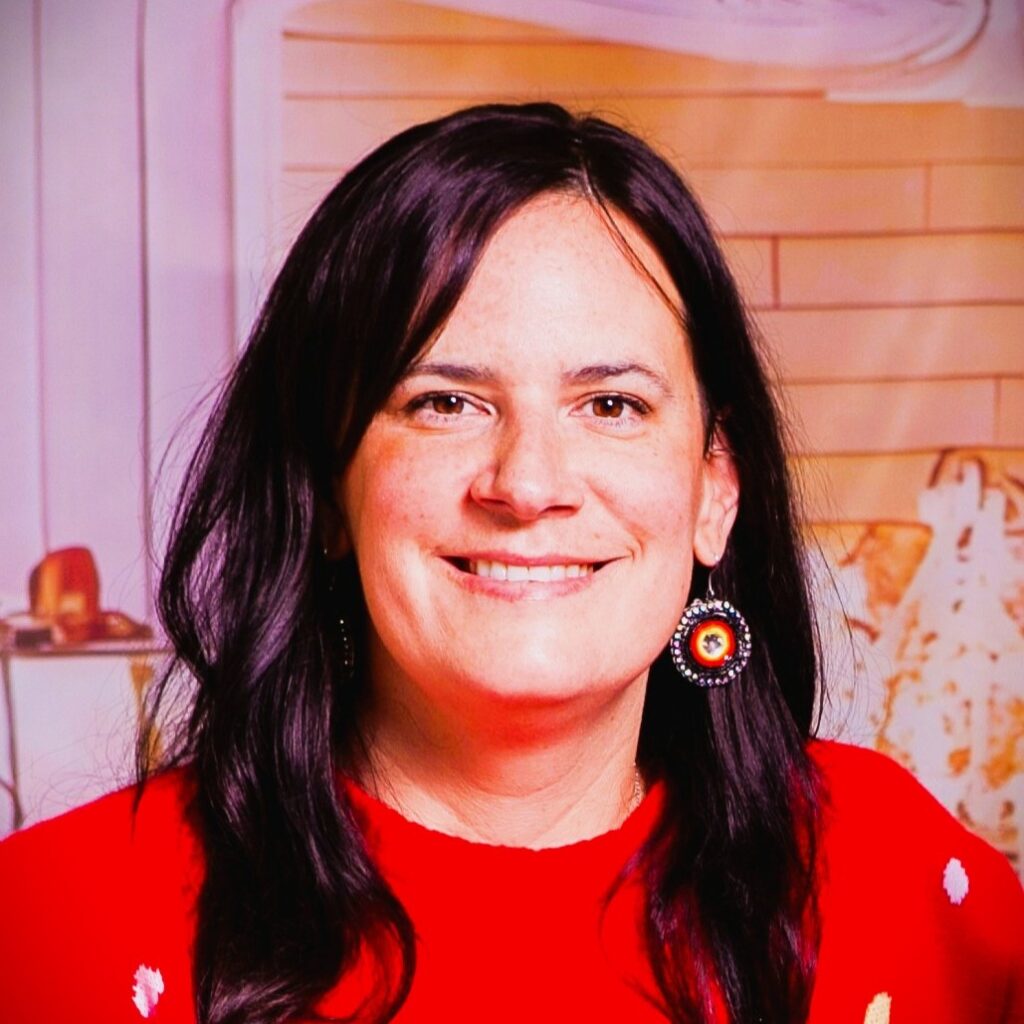
Carmen is of Saulteau First Nations from Moberly Lake, B.C. She is passionate about the resilience and protection of our indigenous way of life by involving youth with elders. Carmen graduated from UBCO with an MSc in 2024. Her thesis project at UBCO focused on lichen abundance and restoration within the caribou homelands of NE BC. She is also part of a team that has helped avoid the extirpation of caribou herd in her territory. Carmen has created within her nation a native seed bank, an Indigenous guardian program, and an ethnobotany book. She currently works as a consultant and proprietor of her family’s company, Mistahiya Contracting.
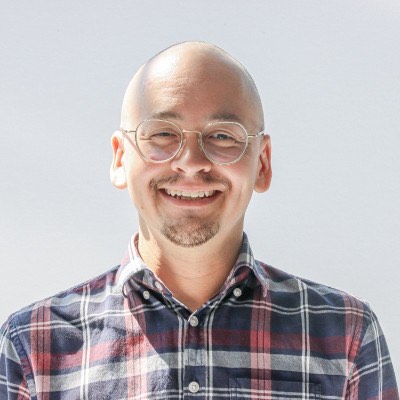
Naluturuk (Nally) Rowan-Weetaluktuk is an Inuk living in Gatineau. His family from his father’s side comes from Inukjuak, Nunavik, but Nally grew up in Kuujjuaq, Iqaluit, and Montreal. Currently serving as a community engagement manager at Polar Knowledge Canada, his career involved working on or supporting projects that embody Indigenous self-determination in research. This has included Inuit place names mapping, the Qanuippitaa? National Inuit Health Survey and Nipivut, a Montreal Inuit community-based radio show.
With a love for the little flowers across Inuit Nunangat, Nally makes art combining photography and digital illustration as well as printmaking. He enjoys cycling, cross-country skiing, and the company of his cat Rye.
Lawrence Ignace is Anishinaabe from Lac Des Mille Lacs First Nation within Treaty 3 Northwestern Ontario. He holds a Masters in Public Administration with an emphasis on Natural Resources Policy from the University of Alaska Southeast. His relationship with mountains significantly strengthened over a decade ago when he moved to Whitehorse, Yukon. During this time, he has held positions with Crown-Indigenous Relations and Northern Affairs Canada, Carcross/Tagish First Nation, Arctic Institute of Community-Based Research and Yukon government. He has a passion for advancing the understanding and use of Indigenous Knowledge. As a PhD student at University of Victoria, his research focuses on the intersection of science and Indigenous knowledge and how we can learn from both worlds to shift our understanding. He is active on the Reference Group for the appropriate review of Indigenous research established by the three federal research funding agencies and Protect our Winters Science Alliance.
Dr. Myrle Ballard is a Canada Research Chair in Weaving Indigenous Science and Sustainability Science and Associate Professor in the Dept. of Earth, Energy, and Environment at the University of Calgary. She stood-up the new Indigenous Science Division at Environment and Climate Change Canada. Anishinaabe from Lake St. Martin First Nation, Dr. Ballard’s research explores Three-eyed seeing and how her fluency in Anishinaabe mowin can transform approaches to land and water resource management using Anishinaabe mowin baseline indicators. She has researched and documented the forced displacement and relocation of communities from flooding, as well as research on climate change and weather. She was recently selected as Lead Author on IPCC AR7 WG III Chapter 4 Sustainable Development and
Mitigation. She was also appointed as a Scoping expert for the second IPBES global assessment of biodiversity and ecosystem services; and Expert for the IPBES task force on Indigenous and local knowledge. She was inducted to the Royal Society of Canada in November 2025.
Prior to joining the Public Service through the Management Trainee Program at the Canadian Centre for Management Development in 1993, Michel was a teacher at West Island College and co-founder of Macdonald-Cartier Academy, a private French immersion high school. He’s enjoyed a career of challenging assignments as a Policy Analyst in the Privy Council Office, Intergovernmental Affairs; as Senior Advisor to Minister Anne McLellan in her capacity as Federal Interlocutor for Metis and Non-Status Indians; as Director of Aboriginal Research and Socio-Economic Development at Human Resources Development Canada; in his role of Departmental Senior Official of Values and Ethics under three Deputy Ministers; and, was the founding Senior Executive Director of the Knowledge Circle for Indigenous Inclusion and the Chair of the Federal Indigenous Executive Network during his last executive assignment upon retiring in September 2022.
In November 2011, following 12 years of service in various senior management positions with the Canada School of Public Service, Michel assumed the role of Senior Director of Executive Services and Talent Management at Natural Resources Canada, prior to joining Justice Canada in September 2014, as Director General of the Human Resources Branch.
Michel holds a Master in Education and a Bachelor of Arts with concentration in Mathematics from University of Ottawa, a Bachelor of Theology from Saint Paul University as well as a Diploma in Education from McGill University, and is a former member of the University of Saint Paul Ethics Committee and recipient of the 2004 Saint Paul University Alumnus of the Year Award for his accomplishments in advancing public service policy and leadership development programs grounded in Indigenous culture, co-development and reconciliation.
Talon Giroux is a 2025 Youth Leadership Recipient of the Okimâw Awards in partnership with the City of Edmonton and a dedicated community builder based in Edmonton, Alberta. He currently serves on the Board of Directors for the Dreamspeakers Film Festival Society, where he advocates for Indigenous representation and youth engagement in arts and culture.
With a background in administration, communications, and Indigenous-led organizations, Talon has built a strong foundation in governance, public relations, and community advocacy. His work reflects a deep commitment to uplifting Indigenous voices, strengthening relationships between generations, and creating meaningful change through collaboration and storytelling.
Jessus Karst is a citizen of Métis Nation Saskatchewan with maternal Métis family roots tied to the Qu’Appelle Valley and German/Irish roots on his paternal side. He is the Biodiversity Policy Advisor for the Métis National Council, which involves advocating nationally for the Métis Nation in work related to species, water, and food security. He also works internationally advocating for Indigenous Peoples rights in the U.N Convention on Biological Diversity, Ramsar, and the UN Water conferences. Jessus is a member of the Aboriginal Traditional Knowledge sub-committee of COSEWIC and sits on several other committees related to Species at Risk and invasive species in Canada.
His 20-year career in biology and conservation has included working for non-profit organizations, as well as federal and provincial governments. As a field biologist, he has been fortunate enough to study different parts of Nature: from water, fish, and invertebrates to plants and ecosystem studies, as well as birds, reptiles, small mammals and game species. Jessus is a proud father of two boys and proud uncle to his nieces and nephew. He lives and works in Regina, SK, in Treaty four and the Homeland of the Métis.
Megan is a PhD student in Family Medicine at McGill University, of Kanien’kehá:ka and European settler heritage, and is committed to amplifying Indigenous youth voices in research and decision-making. Her doctoral research in Nunavik explores how intergenerational dialogues can improve Nunavik youth house services. She has expertise in community-based and participatory research, youth engagement, and program evaluation.
Megan has contributed to various community health initiatives and youth empowerment programming. This includes co-creating content and evaluating a national youth generativity and reconciliation conference through her work at the Student’s Commission of Canada, as well as volunteering at the Kahnawake School of Diabetes Prevention Program.
Through her work, Megan is dedicated to promoting Indigenous led, culturally grounded pathways that enhance community well-being and self-determination.
Kim Neale is a regenerative economies futurist, environmental engineer, and economist who braids Indigenous knowledge with 20 years of experience in nature-related finance product design, insurance, and environmental risk management. With ancestral roots that are mixed – settler (French/English) and Anishinaabe — her journey of re-connection with Anishinaabe cultural teachings and her own ancestral lineage has been shaped by her time living and in relationship with the knowledge-sharers, lands, and waters of Mnidoo Mnising (Manitoulin Island).
Kim is the founder of Manitoulin Climate Collaborative (Mc²), where she co-creatively works on a wide range of community-led nature-based solutions, supporting the development of Indigenous-led regenerative financing mechanisms and standards like capital methodologies, land trusts, and resilience/biocultural diversity/stewardship credits. Since 2020, she has also held several leadership roles at national not-for-profit organizations, co-designing the first Two-Eyed Seeing Natural Asset Inventory frameworks and supporting the launch of new funding programs for Indigenous Protected and Conserved Areas (IPCAs) and NbS knowledge hubs. In addition to serving on the Braiding Knowledges Canada (BKC) board, Kim is also a board member for the Escarpment Biosphere Conservancy (EBC) and has served as an advisor to the First Nations National Guardians Network (NGN) Indigenous-led Natural Climate Solutions (ILNCS) fund. As a regenerative economies’ futurist, her work is focused on advancing Indigenous-led regenerative economies, co-governance models, and decolonized evaluation frameworks that restore balance with Mother Earth.
Vicki is an ecologist and a Kanien’kehá:ka (Mohawk) from Wahta First Nation, Ontario. She has degrees from the University of Guelph (BSc), York University (MES), and University of Alberta (PhD) and is currently the Knowledge and Research Manager, Lands and Resources, Mushkegowuk Council. Mushkegowuk Council represents and serves seven Cree Nations in northern Ontario. Vicki has been immersed in protected areas management, research, and monitoring her entire life. She applies her expertise to supporting Indigenous conservation of lands, waters, and ocean: currently in northern Ontario, and previously in the Northwest Territories, Nunavut, and coastal British Columbia. She began her career as a national park patrolperson (aka guardian), then in the 1990s she became the first woman Chief Park Warden (now called Resource Conservation Manager) in Canada at Ivvavik National Park located on the Beaufort Sea coast. She adopted the Arctic as her home from 1993 until 2021, living, working and travelling across the northernmost reaches of NWT and Nunavut. Exploring nature, especially wilderness areas, on foot, skis, snowmobile, boat, or kayak keeps her happy and healthy.
Dr. Shandin Pete (Salish/Diné) is from the Flathead Indian Reservation in Arlee, Montana, USA. He completed a M.S. in Geology and an Ed.D. in Curriculum and Instruction focusing on science education at the University of Montana. He is a geoscientific ethnographer, hydrogeologist and science educator with interest in Indigenous research methodologies, Indigenous astronomy, social-political tribal structures, culturally congruent instructional strategies, and Indigenous science philosophies. Most of his work in recent years has focused on understanding shifts in an Indigenous paradigm of research for science knowledge production. This work includes collaboration with tribal knowledge holders across Indigenous communities and academic scholars to examine traditions, customs, oral histories and knowledge systems and their intersection with geoscience. From 2008 to 2020, he served as faculty at Salish Kootenai College where he co-developed their Hydrology program and founded the Indigenous Research Center on its campus. He is currently serving as an assistant professor of teaching at the University of British Columbia in the Earth, Ocean and Atmospheric Sciences Department where he continues to advance understandings of Indigenous research methodologies from Salish philosophical commitments with an emphasis on environmental and geoscience disciplines.
Carmen is of Saulteau First Nations from Moberly Lake, B.C. She is passionate about the resilience and protection of our indigenous way of life by involving youth with elders. Carmen graduated from UBCO with an MSc in 2024. Her thesis project at UBCO focused on lichen abundance and restoration within the caribou homelands of NE BC. She is also part of a team that has helped avoid the extirpation of caribou herd in her territory. Carmen has created within her nation a native seed bank, an Indigenous guardian program, and an ethnobotany book. She currently works as a consultant and proprietor of her family’s company, Mistahiya Contracting.
Naluturuk (Nally) Rowan-Weetaluktuk is an Inuk living in Gatineau. His family from his father’s side comes from Inukjuak, Nunavik, but Nally grew up in Kuujjuaq, Iqaluit, and Montreal. Currently serving as a community engagement manager at Polar Knowledge Canada, his career involved working on or supporting projects that embody Indigenous self-determination in research. This has included Inuit place names mapping, the Qanuippitaa? National Inuit Health Survey and Nipivut, a Montreal Inuit community-based radio show.
With a love for the little flowers across Inuit Nunangat, Nally makes art combining photography and digital illustration as well as printmaking. He enjoys cycling, cross-country skiing, and the company of his cat Rye.

Adam Gaudry, Ph.D. is a citizen of the Manitoba Métis Federation. He serves as Vice-Dean and Associate Professor in the Faculty of Native Studies at the University of Alberta. His family is from Northwestern Ontario and Red River before that. He grew up in Hamilton.
Adam received his Ph.D. from the Indigenous Governance Program at the University of Victoria and completed his MA in Sociology and BAH in Political Studies from Queen’s University. He is a past Henry Roe Cloud Fellow at Yale University. In his administrative leadership role, Adam oversees strategic projects in the Faculty. This has included strategic planning documents, faculty program reviews, curricular updates, and new research partnerships. He has published extensively on Métis history and governance, Indigenous research methodologies, as well as indigenization policy in Canadian higher education. Adam’s work has been published in Native American and Indigenous Studies, American Indian Quarterly, AlterNative, Critical Ethnic Studies, The Wicazo Sa Review, aboriginal policy studies, the Canadian Journal of Native Education, the Osgoode Hall Law Journal, The Canadian Encyclopedia, and numerous edited collections.
Dr. Glanfield is currently Vice-Provost (Indigenous Programming and Research) and a Professor of Mathematics Education in the Department of Secondary Education. She is an Affiliated Faculty member with the Centre for Research for Teacher Education and Development at the University of Alberta. She earned her PhD in 2003 studying mathematics teacher understanding as an emergent phenomenon.
Dr. Glanfield worked at the University of Saskatchewan, College of Education (1999 – 2007) and began her tenure at the University of Alberta in July 2007.
Dr Glanfield is a citizen of the Métis Nation of Alberta, born and raised in Northeastern Alberta. Dr Glanfield’s research interests explore the experiences that individuals (teachers and learners) as well as collectives of learners / communities have with mathematics and learning mathematics. Dr Glanfield collaborates with colleagues and has engaged in research projects with Canadian Indigenous communities, urban Aboriginal youth, elementary & secondary mathematics teachers, and teachers and teacher educators in Tanzania and Rwanda.
Two of Dr Glanfield’s current research projects are with colleagues across Canada around the ways in which Indigenous and ‘Western’ knowledge systems interact in mathematics and science education.
As Chair of the Department of Secondary Education (2012 – 2019), Dr. Glanfield began exploring pathways for Indigenous languages speakers to become certified teachers in the province of Alberta.
Dr Glanfield’s career has included opportunities to work with students and teachers in all regions of Canada, in the US, in Tanzania and in Rwanda; teach high school mathematics; work with the Alberta Ministry of Education to develop provincial mathematics curriculum, participate in implementation of provincial curriculum, develop student assessment materials; and organize national and international fora.
Dr Glanfield’s been actively involved in, and has served in leadership roles with provincial (Mathematics Council of the Alberta Teachers’ Association), national (Canadian Mathematics Education Study Group), and international professional organizations (National Council of Teachers of Mathematics, TODOS: Mathematics for ALL, and the National Council of Supervisors of Mathematics).
Gùdia – Mary Jane is a Lhu’ààn Mân Ku Dashaw – Elder who worked for Kluane First Nation and with Parks Canada over 50 years on protected areas, environment, cultural, and Indigenous language issues. She is a champion for Indigenous language revitalization while partaking in a community that actively lives their culture.
She has contributed to the: Truth and Reconciliation Commission Report Response Task Force addressing the TRC’s Call to Action #70 reporting to the Standing Committee on Canada’s Archives; Canadian Mountain Assessment: Walking Together to Enhance Understanding of Mountains in Canada; Lhu’ààn Mân Keyi Kwanje Nààtsat: Kluane Lake Country People Speak Strong; and, the Facets Article – Toward reconciliation: 10 Calls to Action to natural scientists working Canada on which the film Signal Fire is based.
She continues to contribute an objective perspective to several boards and committees and sits as an active committee member on:the Asi Keyi Natural Environment Park Management Plan Steering Committee; The Pickhandle Lakes Habitat Protection Area Steering Committee the Canadian Mountain Network: Research Management Committee (transitioning to Braiding Knowledges Canada – beginning April 1st, 2024); and, Kluane First Nation – Citizenship Committee.
She is retired! And is a happy and busy Grandmother of eleven Grandchildren and one Great Grandson.
Marlin Legare is a Métis graduate student and a research project coordinator who aids in the development and production of Indigenous research projects from the College of Medicine at the University of Saskatchewan (U of S). He is currently pursuing a Master of Science in the field of Nutrition at the U of S, as well. Finally, Marlin is a U of S member of the Indigenous Initiatives Committee as a representative of the College of Pharmacy and Nutrition.
Marlin was raised in the Northeastern Saskatchewan in a rural community called Mistatim. He is excited to be studying health sciences, as he is someone who has seen firsthand the positive and the negative of health outcomes for Indigenous individuals in rural and remote communities.
Marlin is also an accomplished Métis athlete. In 2008, Marlin attended the North American Indigenous Games, and the Canada Games in 2009 for wrestling. In 2009 he also received the SaskTel Indigenous Youth of Excellence Award in the Sports and Recreation Category. He was also a member of the University of Regina (U of R) Men’s Wrestling Team, where he obtained his Bachelor of Science in Kinesiology. While at the U of R, he was also involved in Indigenous programs such as Sports For Life, Aboriginal History Month, and the 2014 North American Indigenous Games.
My name is Dr. Maurice Manyfingers, and I am a member of the Kainai First Nation (Blood Tribe) of the Blackfoot Confederacy of Treaty 7 or Siksikaitsitapi.
I am currently the Director of Indigenous Relations and Reconciliation with Bow Valley College in Calgary, Alberta.
Prior to joining Bow Valley College, I was President of Old Sun Community College on the Siksika Nation where I served a three-year term. I have also worked for the Piikani Board of Education, the Kainai Board of Education, and the Holy Spirit Roman Catholic School Division. During this time, I have worked as a classroom teacher, school principal, superintendent and college president.
In addition, I have worked for the Government of Alberta (Alberta Learning), where I was the Director of the Aboriginal Services Branch. I also worked for the Government of Canada (Indigenous Services Branch) as the Manager of Education in the Alberta Region.
I have two adult children (Darris and Demi) and one granddaughter (Vera) and another granddaughter on the way.
I look forward to serving on the Canadian Mountain Network now BKC’s Board in the months and years to come.
Dr. Emily Missyabit McAuley is a member of Lake Manitoba First Nation and was born and raised in Algonquin Anishinaabeg Territory in Ottawa. She received an M.Sc. in Biology (Behavioural Ecology & Evolution) from Carleton University in 2009 and a Ph.D. in Biological Sciences (Conservation Ecology) from Simon Fraser University in 2020. Her Ph.D. thesis examined the food web impacts of native fish introductions into naturally fishless river systems across the Western Cordillera and resulting migratory behavior and breeding distribution of harlequin ducks (Histrionicus histrionicus). Her research interests include food web interactions, species distribution modeling, geomatics, stable isotopes, citizen science, and Indigenous Science. Emily has nearly a decade of experience fostering federal-Indigenous research partnerships and supporting the braiding of knowledge systems.