There are moments in this work that stay with you—not because of a single session or speaker, but because of how they make you feel. The 2026 Braiding Knowledges Canada (BKC) Gathering at Wanuskewin Heritage Park was one of those moments.
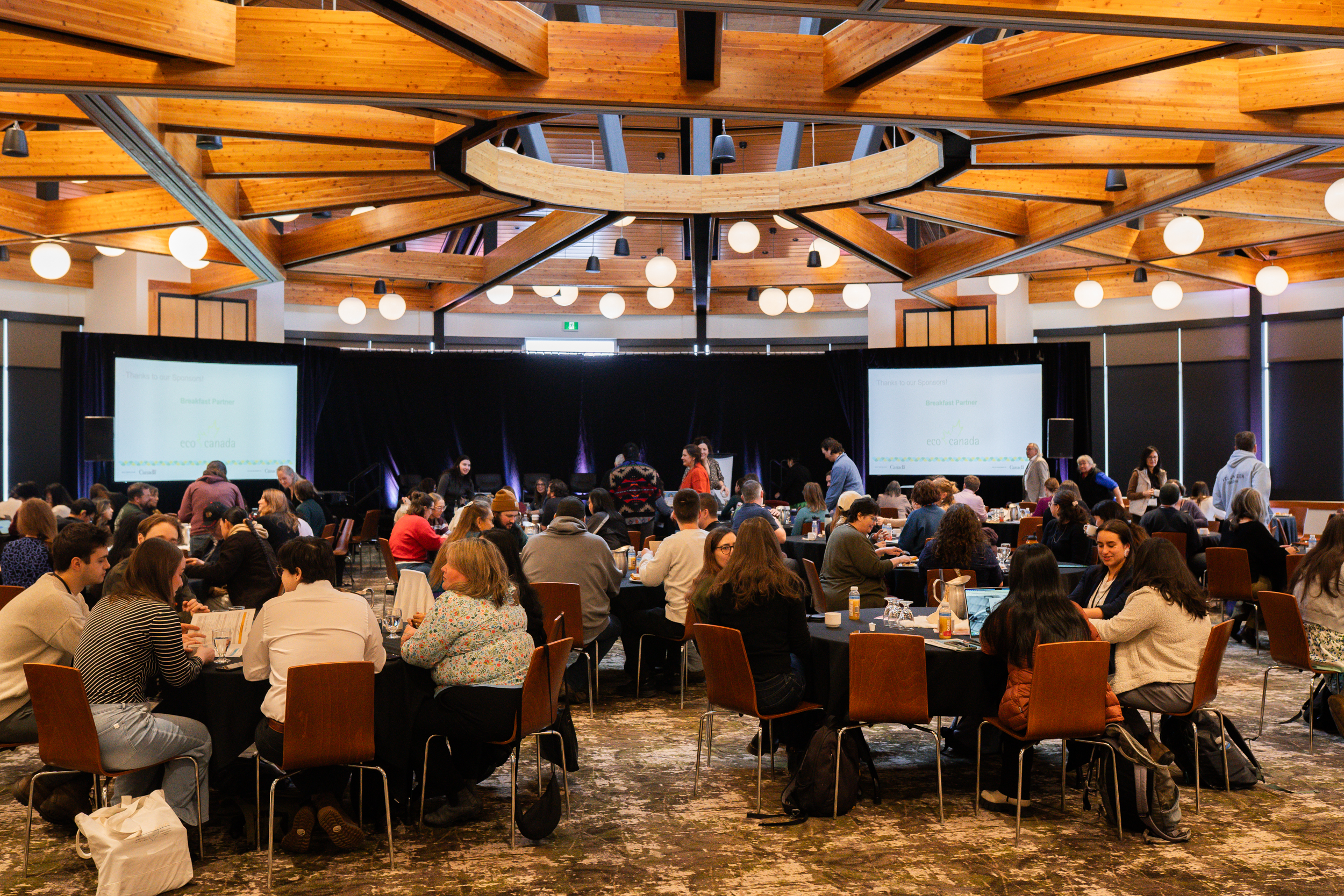
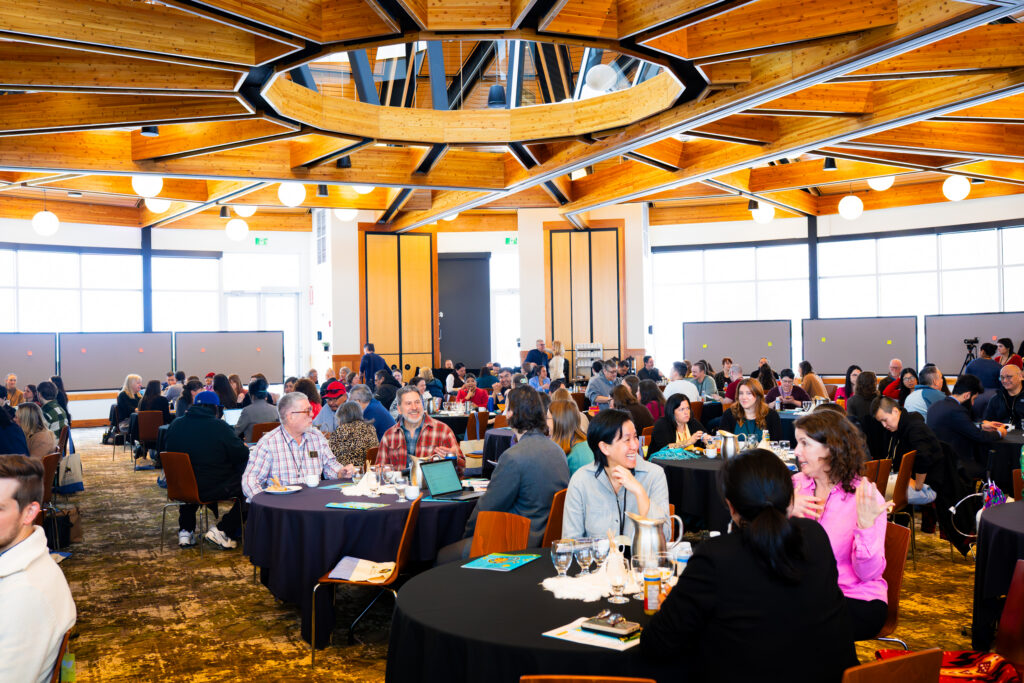
For thousands of years, Wanuskewin has been a gathering place for the Northern Plains Indigenous Peoples—a site for ceremony, storytelling, and connection to the land. In March 2026, it once again became a place of meeting and exchange as nearly 200 people travelled from across Canada to be there: Inuit, First Nations, Métis, non-Indigenous, and immigrant; researchers, Knowledge Holders, youth, community leaders, and partners.
Bringing together diverse disciplines and perspectives, we braided our knowledges, learned from one another, and strengthened our collective capacity to address some of Canada’s most pressing challenges—climate change, biodiversity and habitat loss, food security, and the preservation of Indigenous cultures and ways of knowing. And while the agenda was full, what many of us carried away wasn’t any single presentation, but the feeling of being part of something growing, deepening, and asking more of all of us.
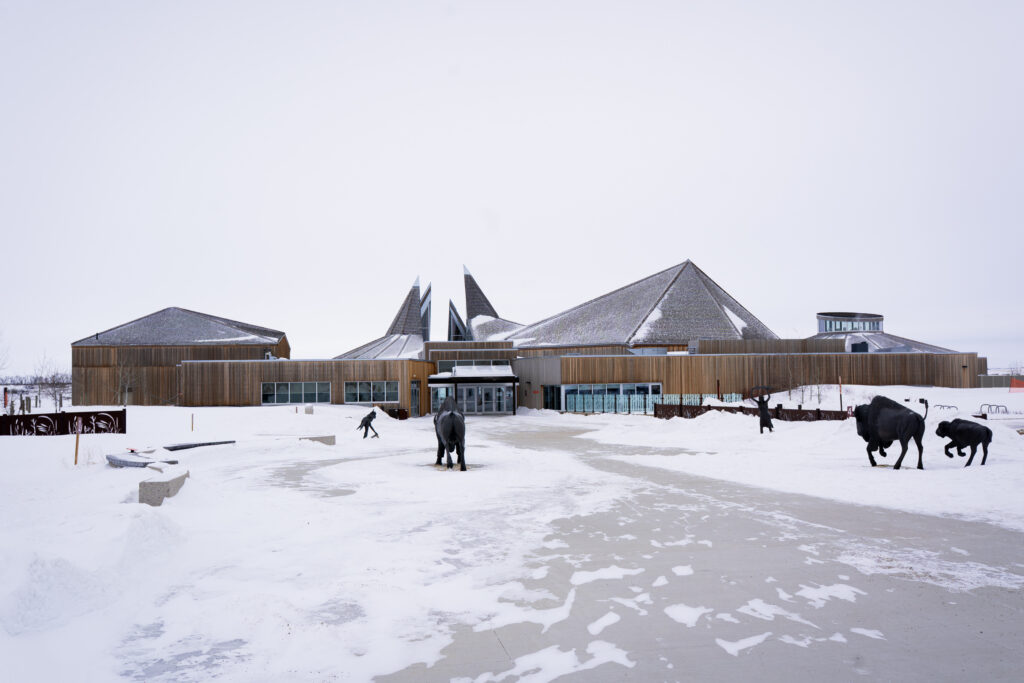
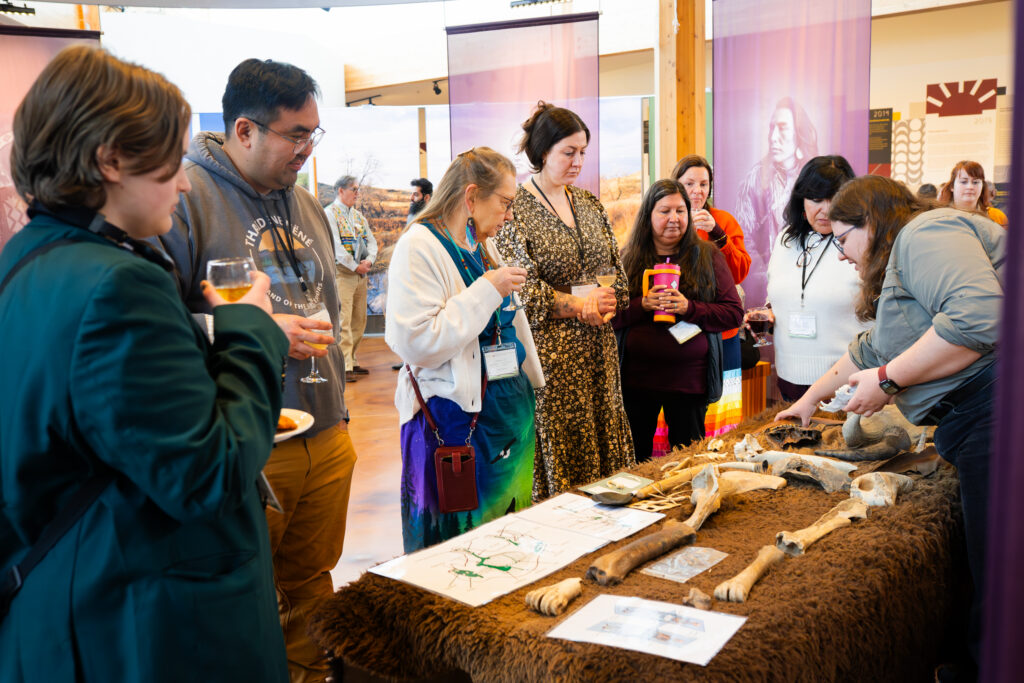
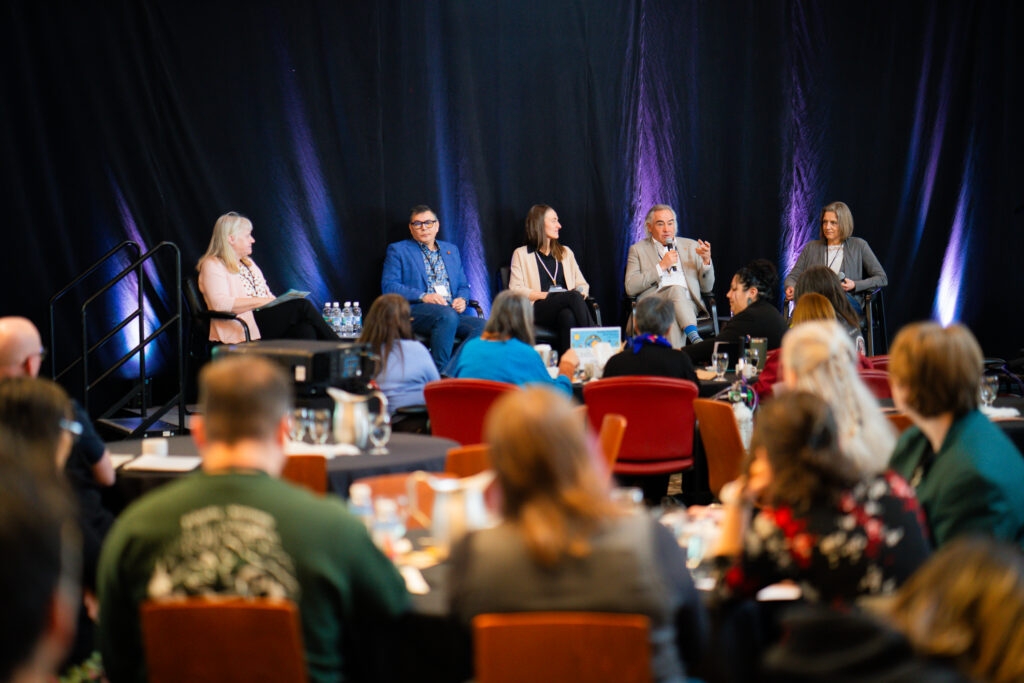
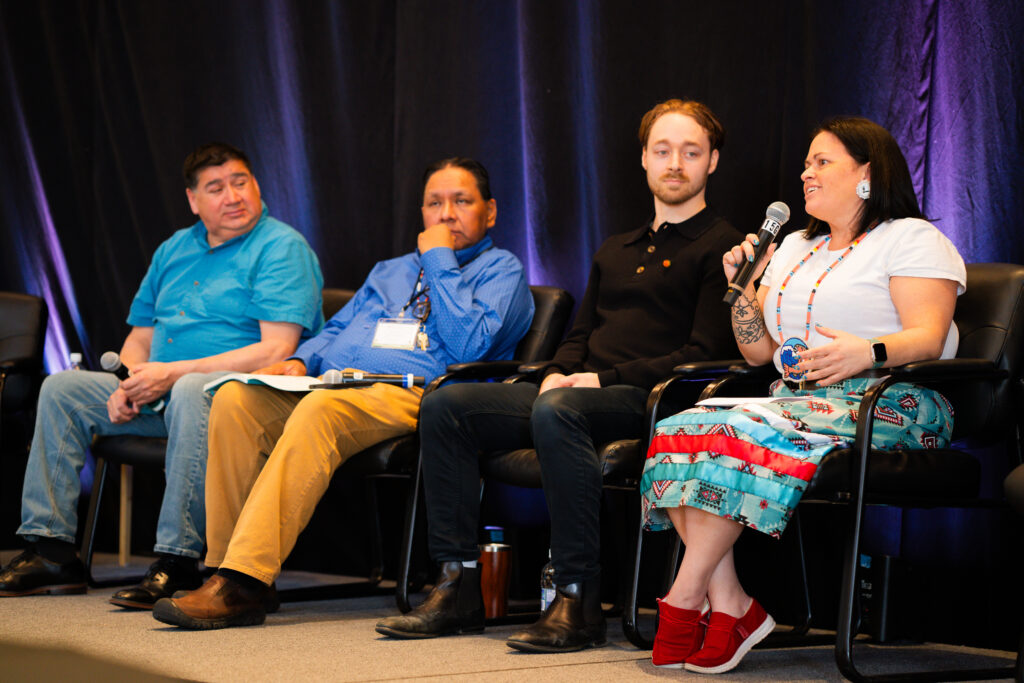
Over three days, participants engaged in a dynamic program of keynotes, panels, interactive sessions, and cultural experiences designed to foster connection and shared learning. On-the-land activities included a bison walk that grounded conversations in place, while indoor there were hands-on opportunities such as beading. Sharing Circles, panel discussions, and presentations highlighted Indigenous-led research, co-managed initiatives, and innovative approaches to governance, conservation, and education.
The Gathering’s goal was clear: to foster connections, strengthen pathways between knowledge systems, and explore how braiding Indigenous and Western knowledges can generate meaningful impact for communities, policy, and environmental stewardship.
Beginning in a Good Way
The Gathering opened with ceremony, prayer, and storytelling led by Lyndon Linklater, Knowledge Keeper and Pipe Holder:
“You may think you signed up to come to a Braiding Knowledges Gathering, but there is a reason why you are here, so while you are here, meet one another, network, create friendships, create relations, and learn from one another.”
His words grounded the space not just physically, but in purpose. This work begins with relationships—between people, with the land, and within communities—not slides or presentations.
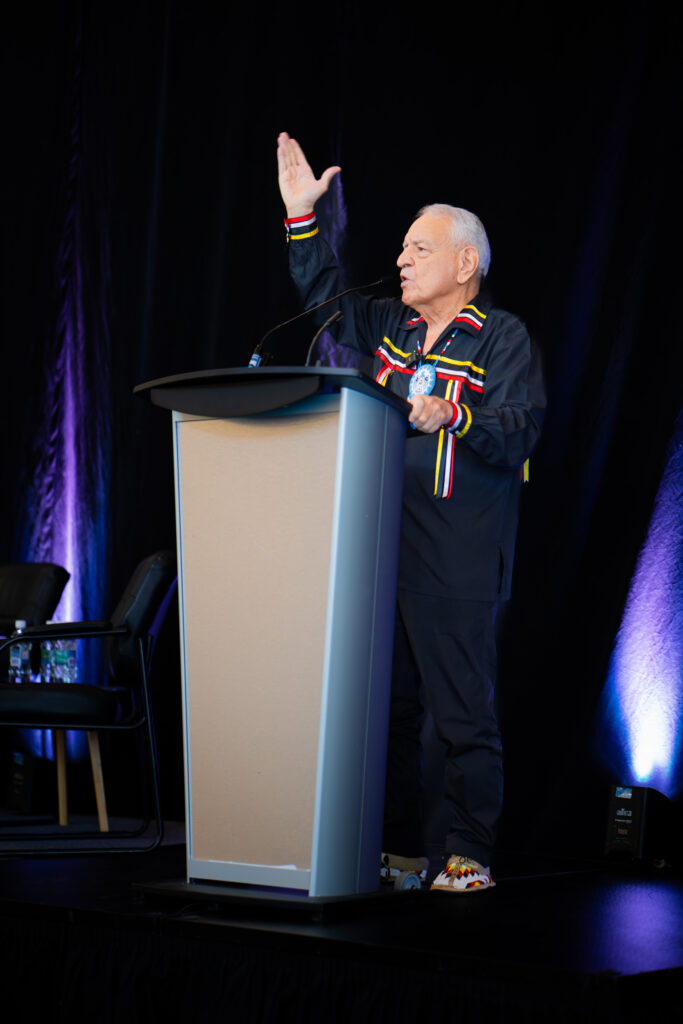
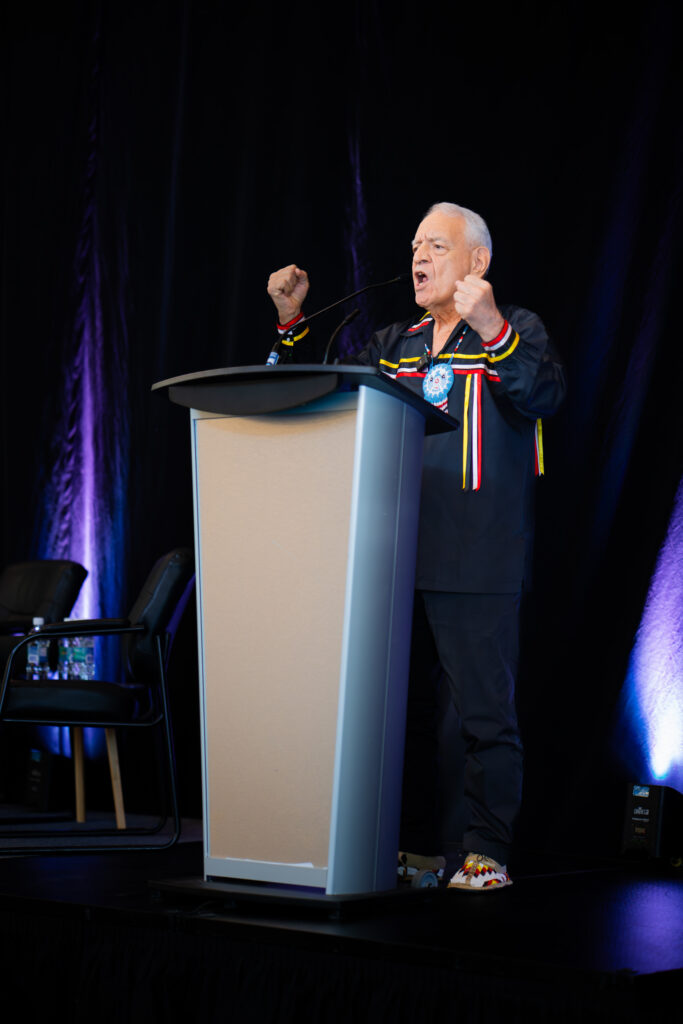
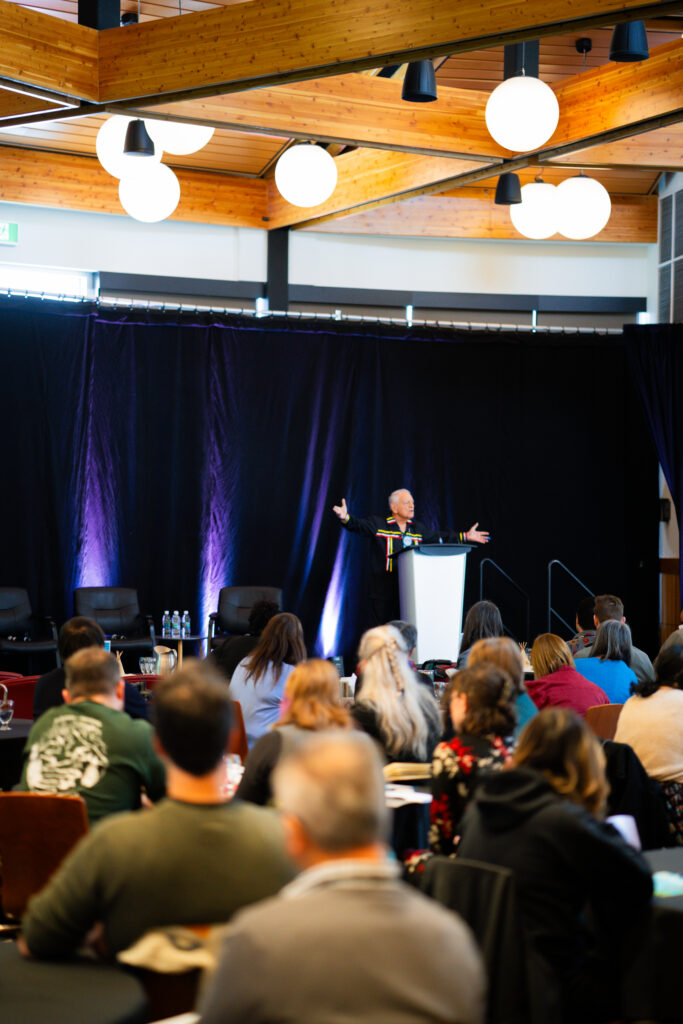
Keynote address: Elder Phil Lane Jr.
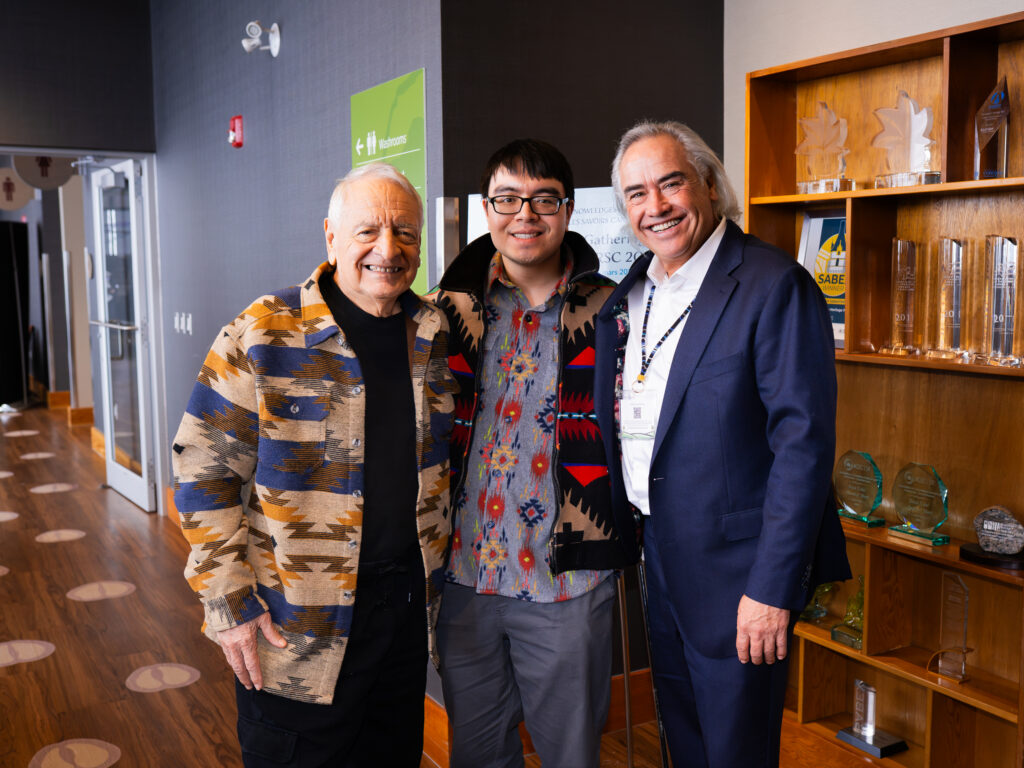
The Gathering’s keynote address featured Elder Phil Lane Jr., Hereditary Chief of the Ihanktonwan Dakota and Chickasaw Nations. His message set the tone for the days ahead: a call to move beyond models of extraction and toward approaches grounded in relationship.
Speaking from Dakota and Chickasaw teachings and drawing on decades of work with Indigenous communities around the world, Elder Phil began with a prayer of thanksgiving to the Creator. He acknowledged the four directions, Father Sky, and Mother Earth, and honoured the children of residential schools whose stories have helped awaken the country to deeper truths and responsibilities.
At the heart of his message was the teaching of “All Our Relations.” He reflected on how many Indigenous languages emphasize verbs rather than nouns—revealing a worldview where life is understood as movement, relationship, and responsibility rather than objects to be managed or extracted. Through stories and humour, he reminded the room that many ideas now described as new—such as ecological thinking—have long existed within Indigenous knowledge systems.
His reflections also looked forward. Whether discussing new technologies or evolving tools, Elder Phil emphasized that innovation must be guided by ethical responsibility and spiritual awareness. Knowledge, he reminded us, is not a commodity but a living exchange that grows stronger when shared with care, reciprocity, and respect.
His words framed the purpose of the Gathering: braiding Indigenous relational wisdom with the analytical tools of Western science to restore lands, strengthen communities, and support future generations.
Knowledge in Action
Over the course of three days, the conversations moved from “why braiding knowledges matters” to “how it can create real-world impact.” Sessions explored:
- How knowledge can inform decisions at local, regional, and national levels
- How research can align with community priorities and policy
- How accountability to Indigenous communities and knowledge systems ensures meaningful outcomes
The Gathering was structured around Circles—from Circles of Learning to Circles of Influence—reflecting how knowledge flows in BKC’s work. Sessions on post-secondary education and land-based learning demonstrated how learning grounded in culture and place strengthens both research and community outcomes. Governance and research leadership sessions highlighted collaboration, shared authority, and respect as cornerstones of effective leadership.
Applied discussions brought the focus into conservation, guardianship, and species-at-risk initiatives. Speakers showed how Indigenous-led stewardship is shaping protections across the country. Environmental challenges—whether species preservation, ecosystem restoration, or land management—require relational, place-based approaches guided by multiple knowledge systems.
Leadership Across Generations
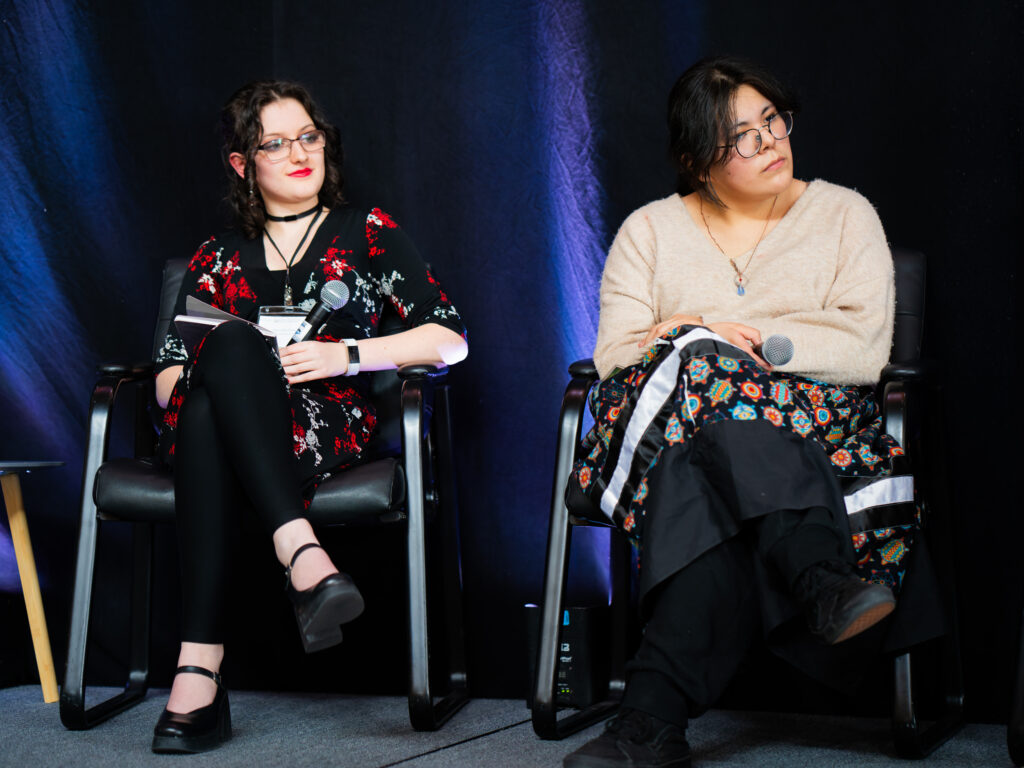
Leadership across generations was a strong theme throughout the Gathering. Youth from The Howl Experience brought fresh perspectives and energy, highlighting the important role emerging leaders are already playing in shaping the future of this work. At the same time, panels on governance and research explored how leadership within BKC is evolving, with a focus on collaboration, shared responsibility, and the continued strengthening of relationships across communities and knowledge systems.
Sessions on BKC’s Circles of Influence examined how braided knowledge can move beyond research into policy, practice, and co-management structures. An open discussion with BKC’s Board of Directors also looked ahead to the network’s future beyond 2029, raising important questions about how this work can continue to grow and create lasting impact.
The takeaway was clear: braiding knowledges is not only about systems change—it’s about nurturing the people who carry the work forward. By connecting experience, wisdom, and youthful energy, the Gathering highlighted the power of a truly multi-generational approach and the shared responsibility to ensure knowledge reaches the places where it can create meaningful change.

Carrying It Forward
As the Gathering came to a close, there was a feeling in the room that was hard to name but easy to recognize—a sense of being both grounded and called forward. Grounded in the teachings shared, the relationships formed, and the time spent together. And called forward to carry that work beyond Wanuskewin—into our organizations, partnerships, and daily decisions.
We leave not only with new ideas, but with a shared responsibility: to ensure that what was learned here continues to live, move, and create impact. Because this work does not end when the Gathering does. In many ways, it is just beginning.
Moving from knowledge to action is not a single step. It is an ongoing commitment—one that asks us to continue showing up, listening deeply, and acting in ways that reflect the trust placed in us, and the responsibilities we carry to land, communities, and one another.
Thank You to Our Sponsors
This Gathering was made possible through the generous support of our sponsors, whose contributions help create space for connection, learning, and collaboration. Their support enables gatherings like this one to bring people together from across the country to share knowledge, build relationships, and advance reconciliation.